Cashel Palace: A Unique Irish Estate with a Taste for the Exceptional
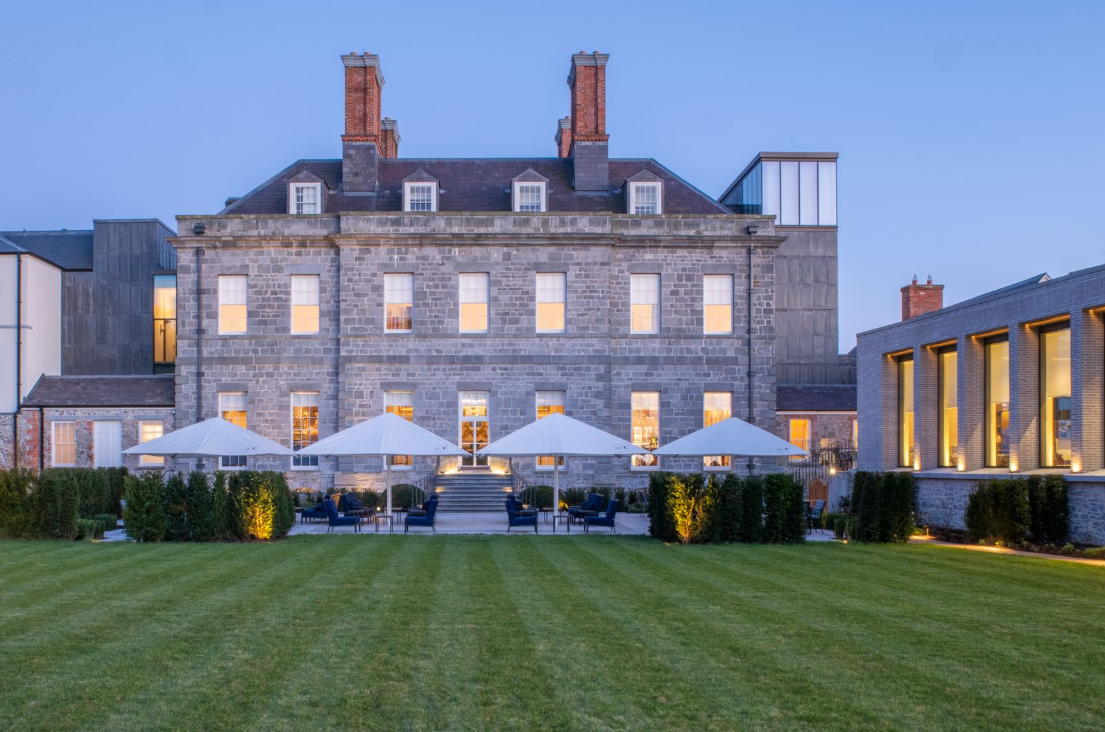
In the market town of Cashel in County Tipperary, the skyline is dominated by one of Ireland’s most recognisable landmarks: the ancient limestone Rock of Cashel. Perched above the surrounding fields, it has watched over the region for centuries. Directly below it, framed by gardens and stone walls, sits another historic building that has recently returned to prominence - Cashel Palace Hotel.
The building dates from 1732 and was originally built as the residence of the Archbishop of the Church of Ireland. Over the centuries it has hosted a steady procession of visitors drawn by the view of the Rock and the gentle agricultural landscape of the Golden Vale beyond. In 2022, after an extensive restoration overseen by conservation architects, the building reopened as a 42-room hotel that manages the rare trick of feeling both grand and intimate.
What strikes a visitor first is the sense that the building has very much been restored back to its former glory. The Palladian symmetry remains intact, with interiors that balance antiques with restrained contemporary comfort.
Dining That Anchors the Experience
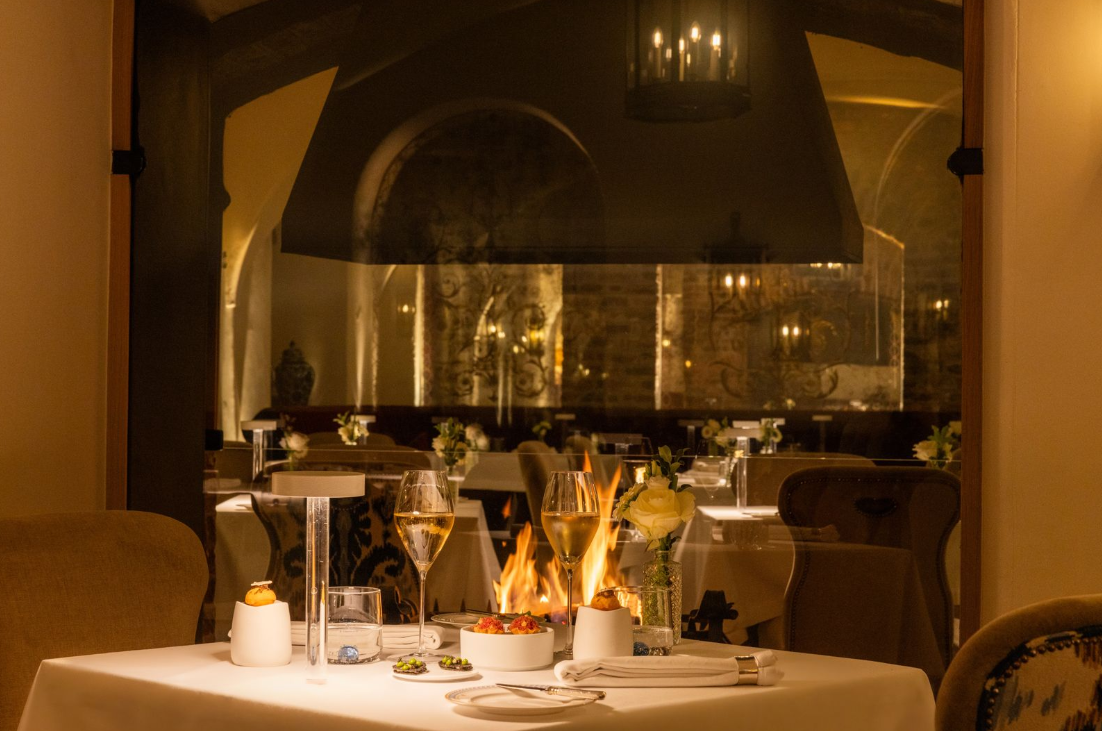
Many historic hotels trade largely on atmosphere. At Cashel Palace, however, the centre of gravity is the dining room.
The Bishop’s Buttery, the hotel’s Michelin-starred restaurant, is quietly becoming one of the most compelling culinary destinations in Ireland. Housed within the original estate buildings, the room is both warm and elegant.
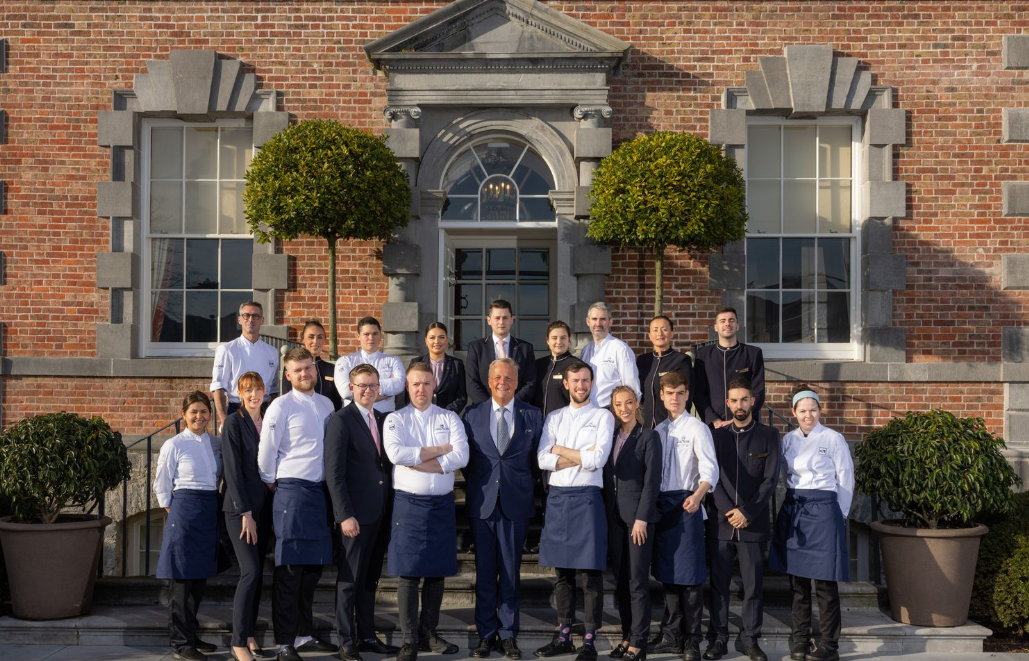
The restaurant is, without question, the jewel in the crown of the hotel. Upon arrival, staff greet guests with knowing smiles if they happen to have a reservation at the Buttery — an early indication that something memorable lies ahead.
Irish fine dining has evolved rapidly over the past decade, moving closer to its roots and focusing on ingredient-led cooking. The Buttery sits comfortably within that movement. The kitchen works largely with produce from the surrounding countryside: lamb from nearby farms, seafood brought inland from Ireland’s southern coast, and dairy and vegetables sourced within the Golden Vale.
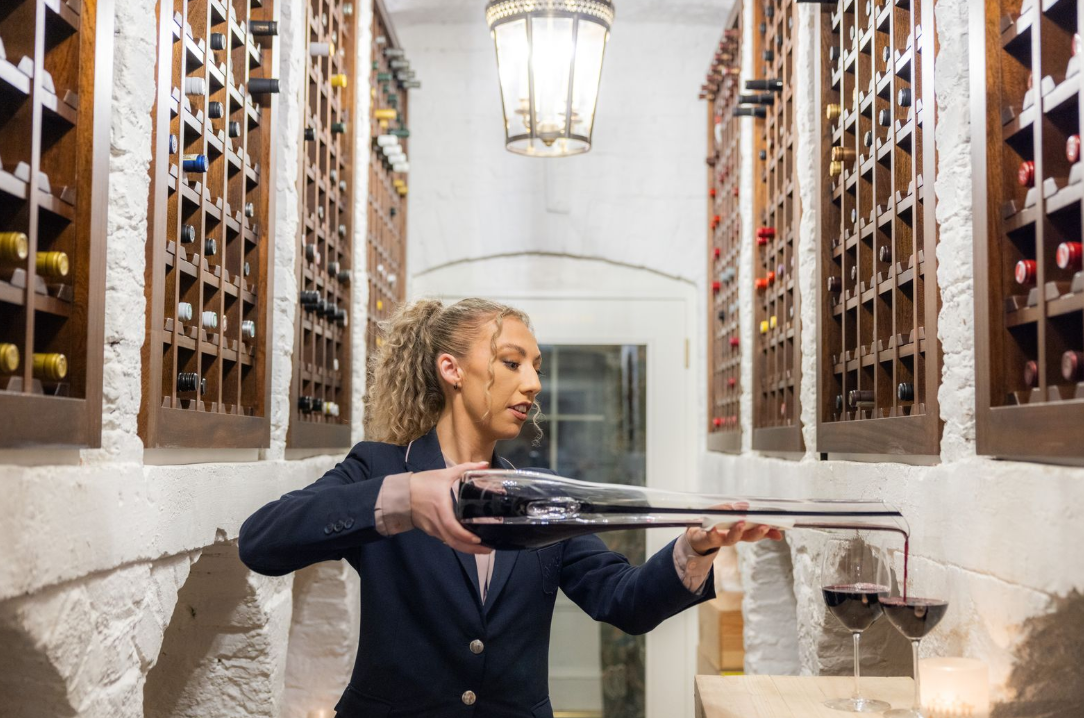
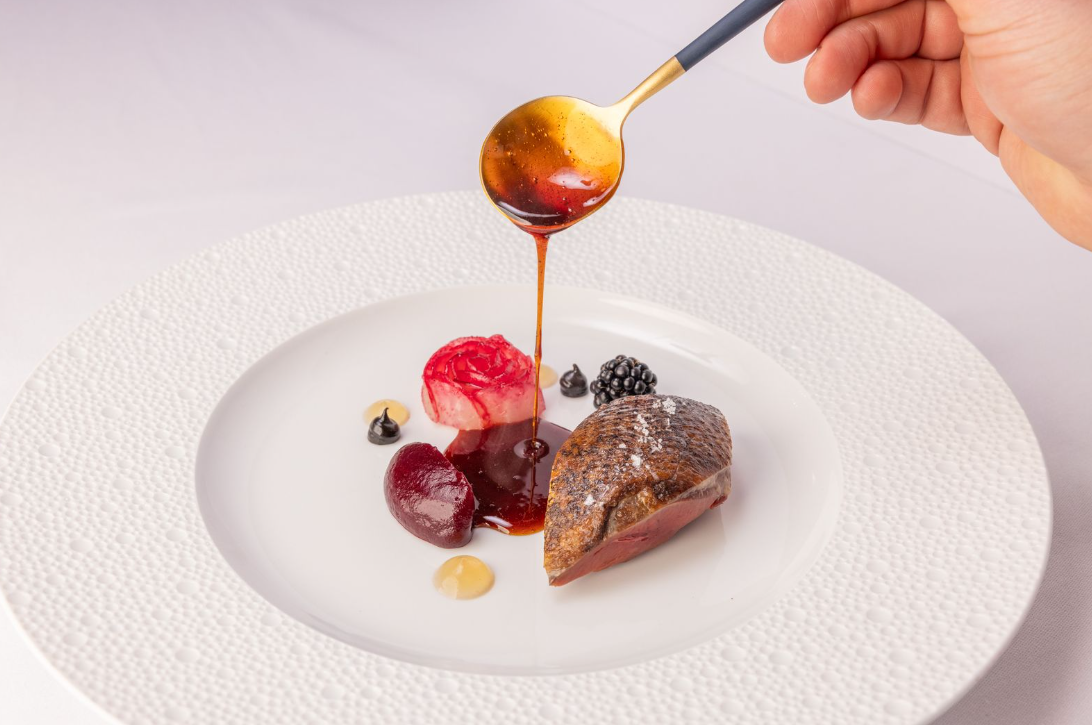
It is easy to see why the restaurant earned its Michelin star. There is a quiet confidence to the kitchen’s approach that avoids the theatricality sometimes associated with destination restaurants. Instead, the meal unfolds at a measured pace, gradually building the sense that you are experiencing something genuinely thoughtful.
Overall, it was an exceptional dining experience. The entire experience lasted nearly four hours, perhaps longer than expected, but each course was thoughtfully prepared, beautifully presented, and deeply satisfying. The generous portions made the experience feel both indulgent and surprisingly good value for a Michelin-starred restaurant. Service was attentive and knowledgeable without ever feeling intrusive.
Even for those not staying at the hotel, The Bishop’s Buttery alone justifies a visit. A drink in the adjacent Guinness Bar before or after dinner rounds off the evening perfectly. For many guests, dinner here will become the defining moment of their stay.
Unique Access to Ireland’s Horse Country
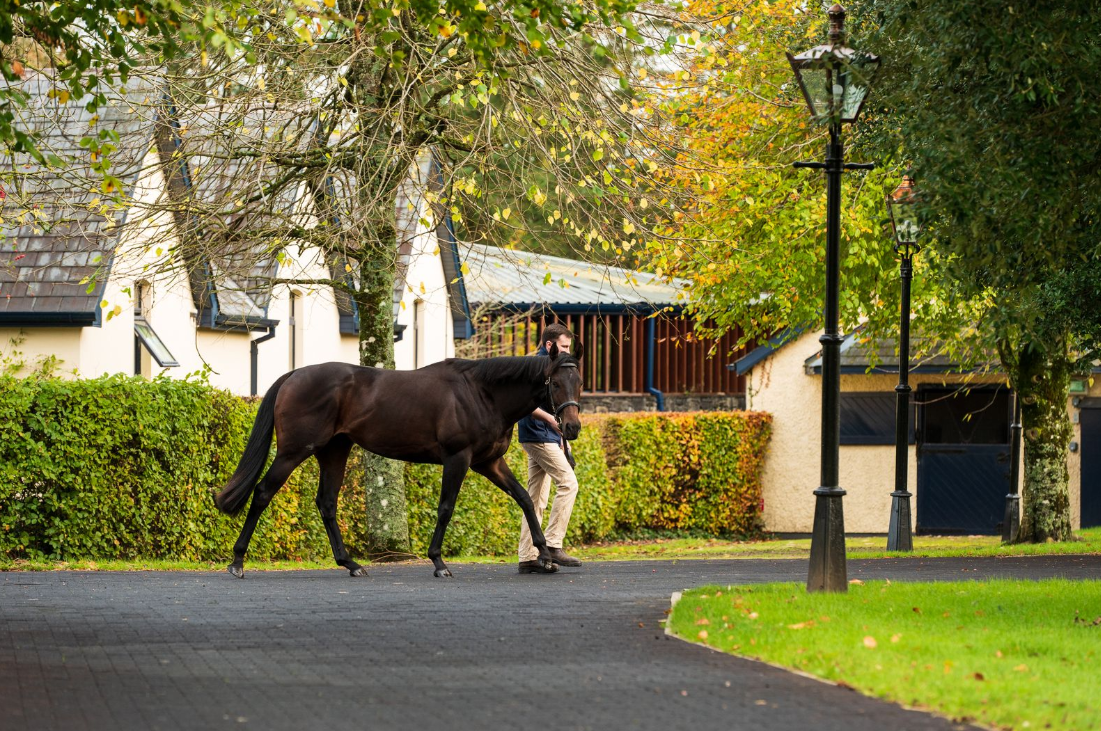
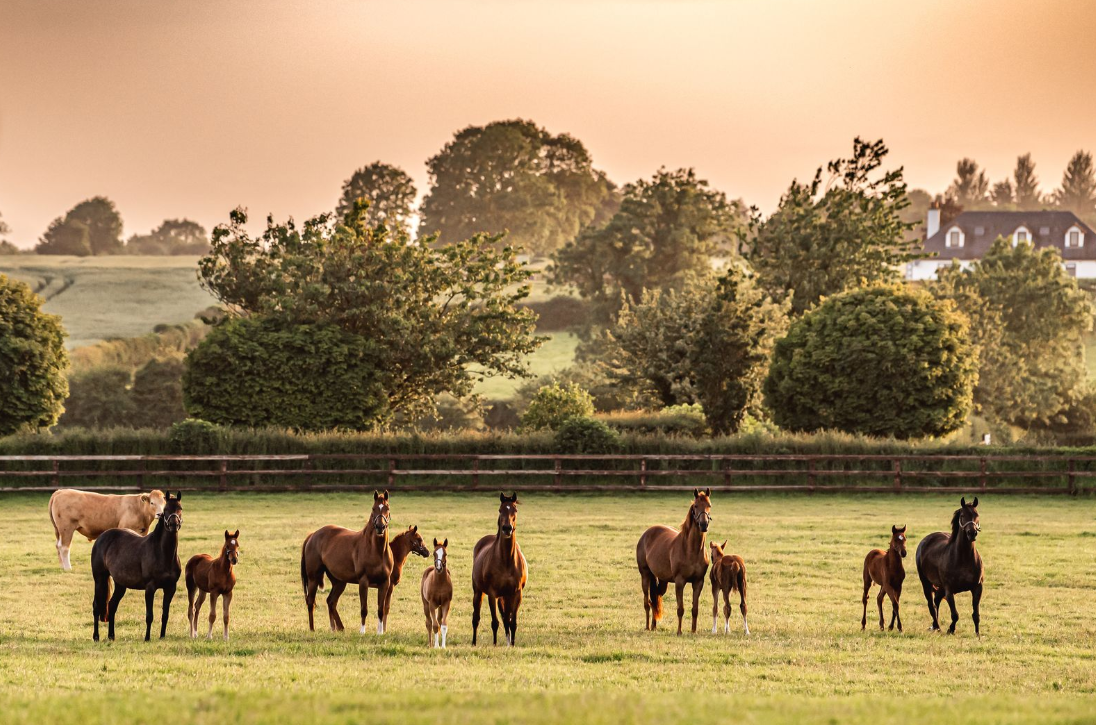
If the dining room provides the culinary anchor, the landscape beyond Cashel offers something equally distinctive.
County Tipperary sits at the heart of Ireland’s thoroughbred industry. The region’s fertile grasslands have produced some of the world’s most celebrated racehorses, and just a short drive from the hotel lies one of the most influential breeding operations in the sport.
Coolmore Stud is widely regarded as the epicentre of global thoroughbred breeding. Its stallions have shaped modern racing for decades, and the estate itself is both vast and carefully protected.
Cashel Palace is the only hotel in Ireland to offer an Equine Concierge, a specialist role dedicated to organising private visits to nearby stud farms and introducing guests to the world of thoroughbred breeding. For travellers with even a passing interest in horses, the experience provides a rare glimpse behind the scenes of an industry that typically operates out of public view.
The equine concierge arranges these visits with an impressive degree of insight. Guests are introduced not only to the horses themselves but also to the stories behind the bloodlines, the economics of breeding, and the traditions that have shaped Ireland’s racing culture.
History in the Walls
Cashel Palace’s story is also entwined with one of Ireland’s most famous exports.
In the 1740s the Archbishop’s land agent, Richard Guinness, brewed ale using hops grown in the palace gardens. His son Arthur later used a £100 inheritance from his godfather, Archbishop Arthur Price, to secure the now famous lease at St James’s Gate in Dublin, establishing what would become the Guinness brewing empire.
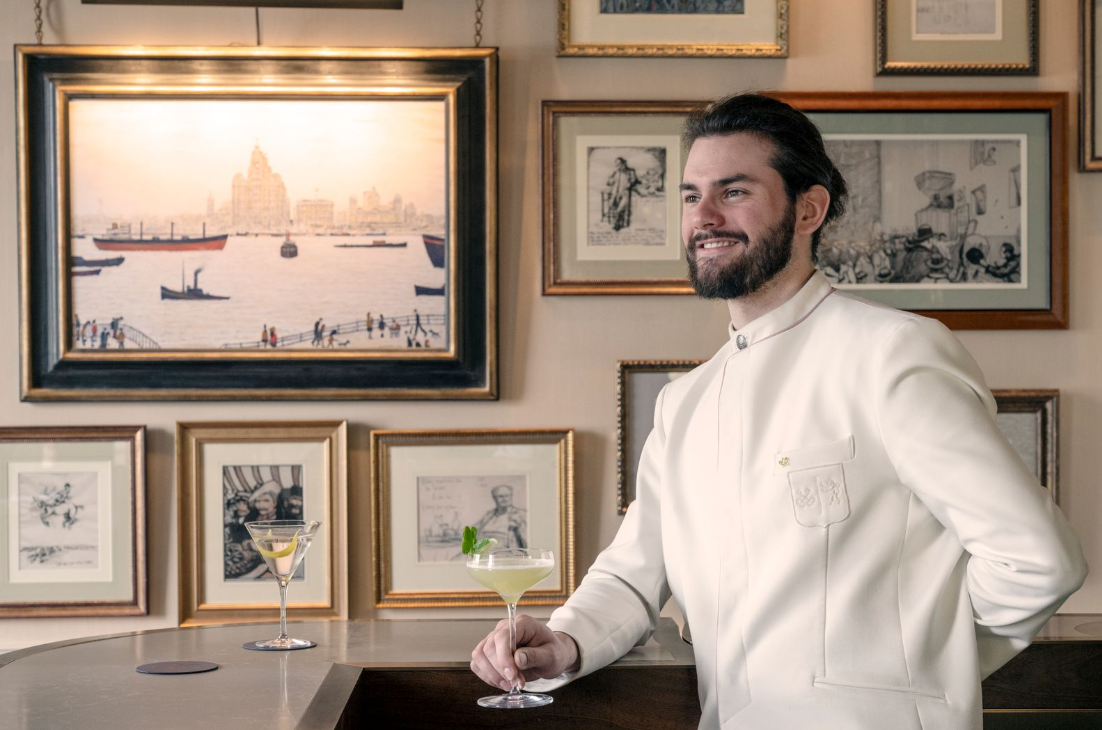
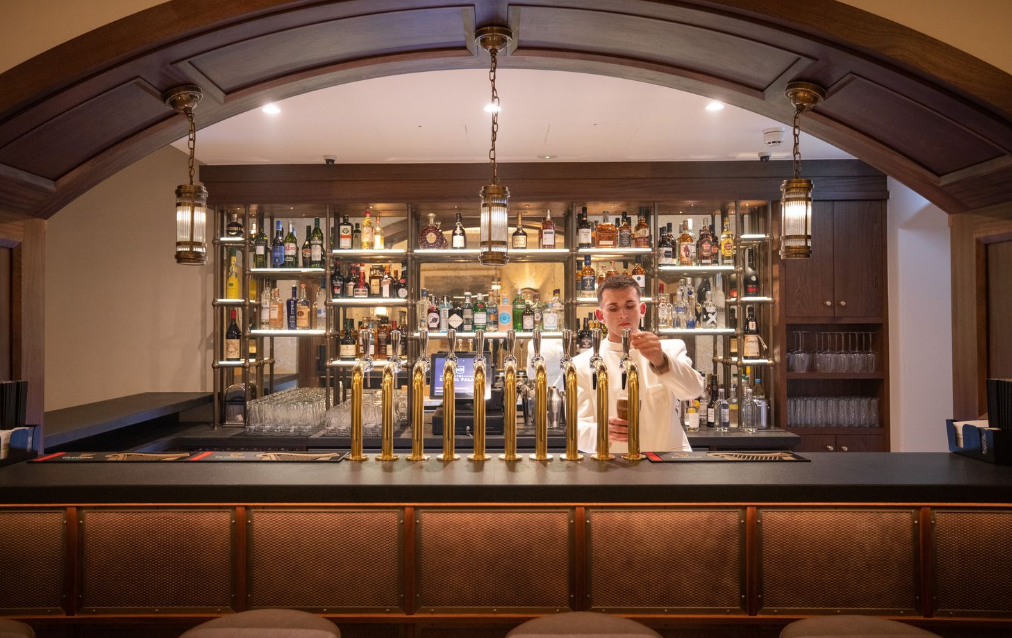
Today the connection is acknowledged in the hotel’s Guinness Bar, a small but atmospheric space that draws both guests and locals. It serves as a reminder that Irish history often unfolds through quiet and unexpected intersections.
The Surroundings
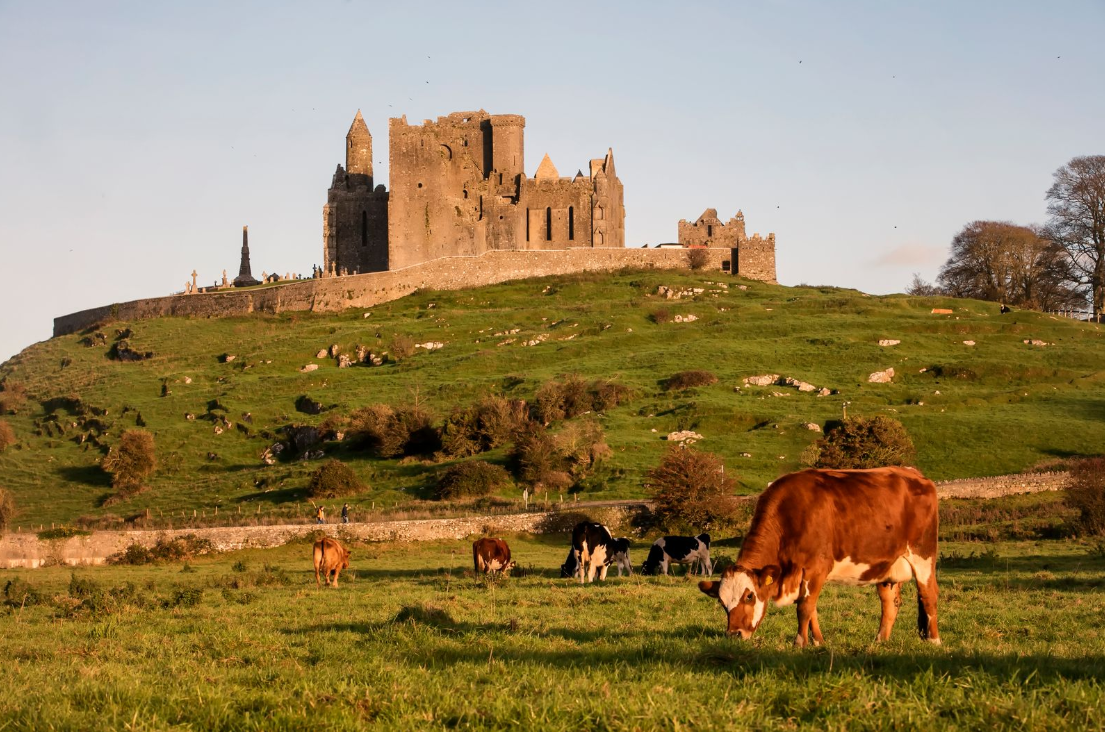
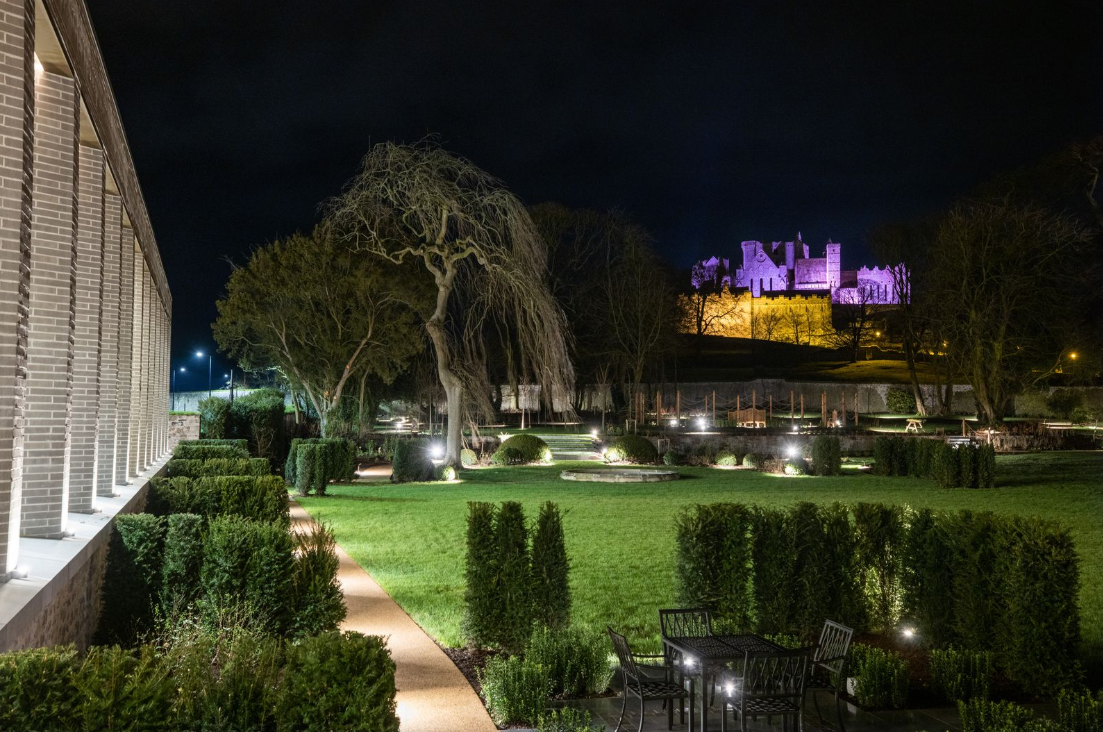
The Golden Vale, the fertile region that stretches across Tipperary, Cork and Limerick, is one of Ireland’s most productive agricultural areas, and its influence is felt everywhere from local dairy products to the menus of nearby restaurants.
Guests inevitably spend time exploring the Rock of Cashel itself. The medieval complex, with its cathedral, round tower and Cormac’s Chapel, is among Ireland’s most important historical sites. According to legend, it was here that St Patrick converted the King of Munster to Christianity. Standing among its weathered stone walls, with the countryside unfolding below, the scale of Ireland’s early history becomes tangible.
A Modern Restoration
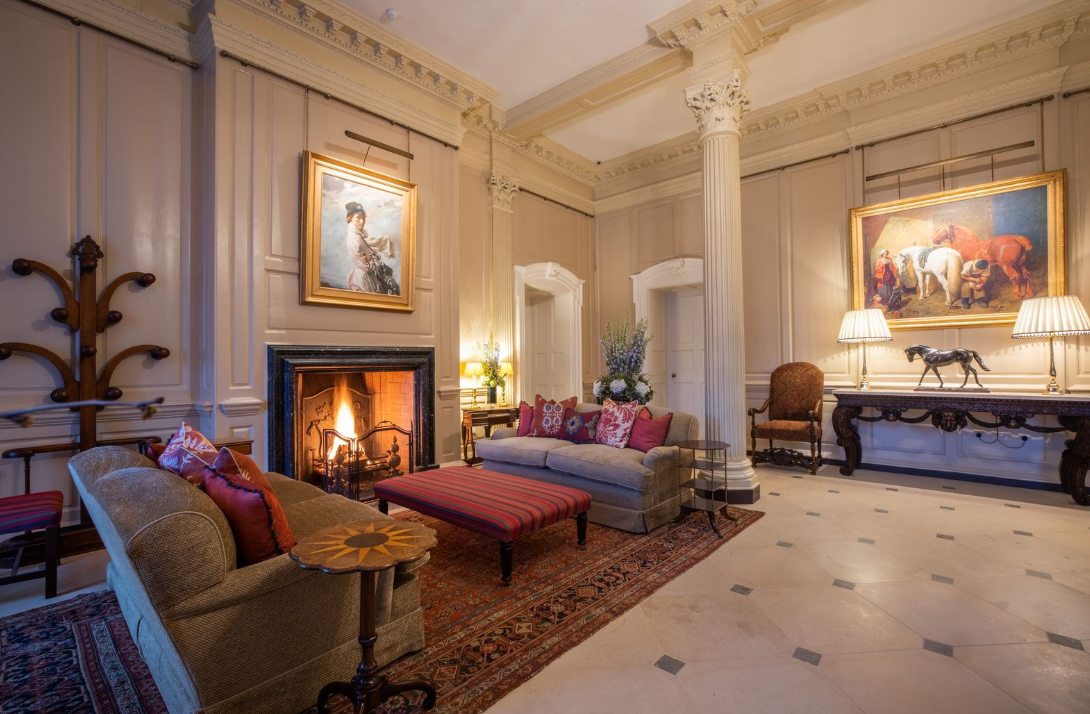
The hotel’s restoration has been handled with notable care. Sustainability measures such as nearly zero-energy building standards were integrated into the refurbishment, ensuring that a structure nearly three centuries old can operate efficiently by modern standards without losing its historic character.
Inside, the 42 rooms and eight suites retain the proportions of a Georgian residence while introducing contemporary comfort. High ceilings, large sash windows and muted colour palettes create spaces that feel quietly luxurious rather than ostentatious.
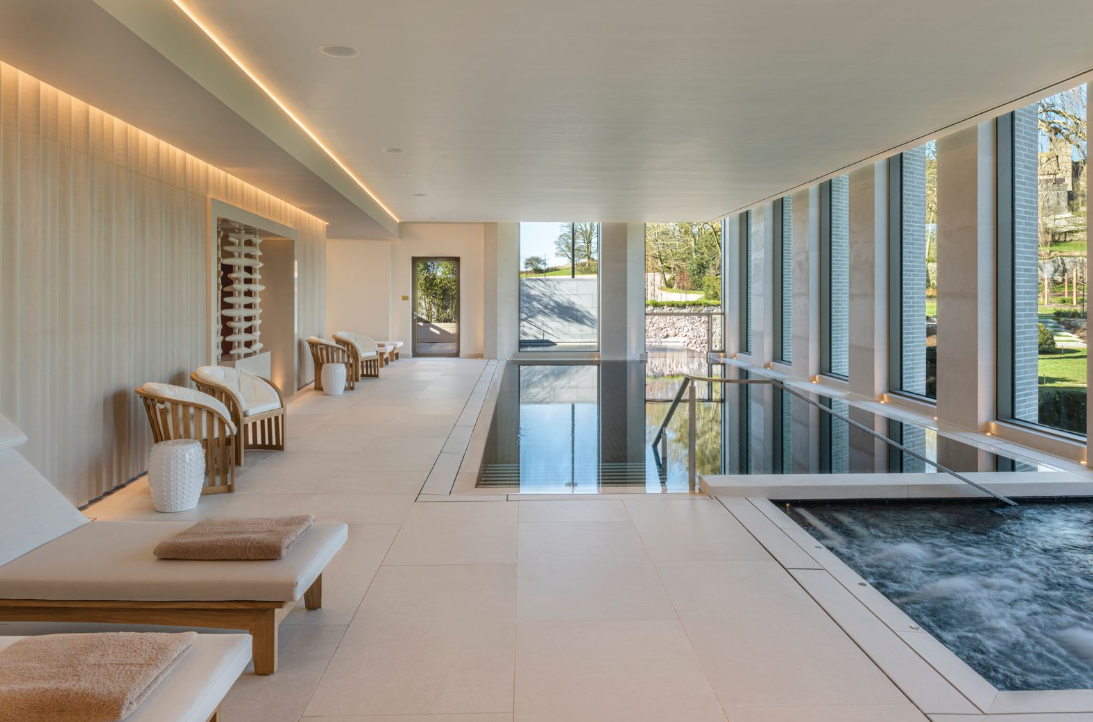
A spa overlooking the gardens adds another dimension to the stay, offering a place to retreat after a day exploring the surrounding countryside. Yet the property never loses sight of its central appeal: this is a historic Irish estate first and foremost, not a resort designed to isolate guests from the world outside its gates.
The Quickest Way to Tipperary
For international travellers, reaching County Tipperary is often simpler than it first appears. While most visitors default to Dublin Airport, those travelling by private aircraft may find a more direct route via Waterford Airport on Ireland’s south-east coast.
From Waterford, the drive to Cashel Palace Hotel takes just over an hour through the countryside of the Golden Vale. Arranged with a private chauffeur or VIP ground transfer, the journey becomes part of the experience itself - a gentle introduction to the landscape that defines this part of Ireland.