Fuelling the Future of Aviation
From the pages of The Victor Magazine.
In the debate over aviation’s climate impact, few subjects inspire as much optimism as the rise of sustainable fuels. They represent the brightest beacon of hope for a sector that is notoriously hard to decarbonise, contributing around 3% of global emissions today – an impact amplified further by contrails and other non-CO₂ effects. Projections suggest that, if aviation continues on its current trajectory, it could account for more than 20% of global emissions by 2050.
The race to decarbonise aviation hinges on whether sustainable aviation fuel (SAF) and its emerging sibling, e-SAF, can scale quickly enough. Traditional SAF is typically produced from waste oils, agricultural residues or other biological feedstocks, while e-SAF is made using renewable electricity to combine hydrogen with captured carbon. Both are designed as ‘drop-in’ solutions that work in today’s aircraft and infrastructure, but e-SAF holds particular promise in sidestepping the constraints of feedstock availability and land use.
For this article, we spoke to two figures at the forefront of this race, both navigating the fine line between pragmatism and ambition as they push towards making their vision for aviation a reality.
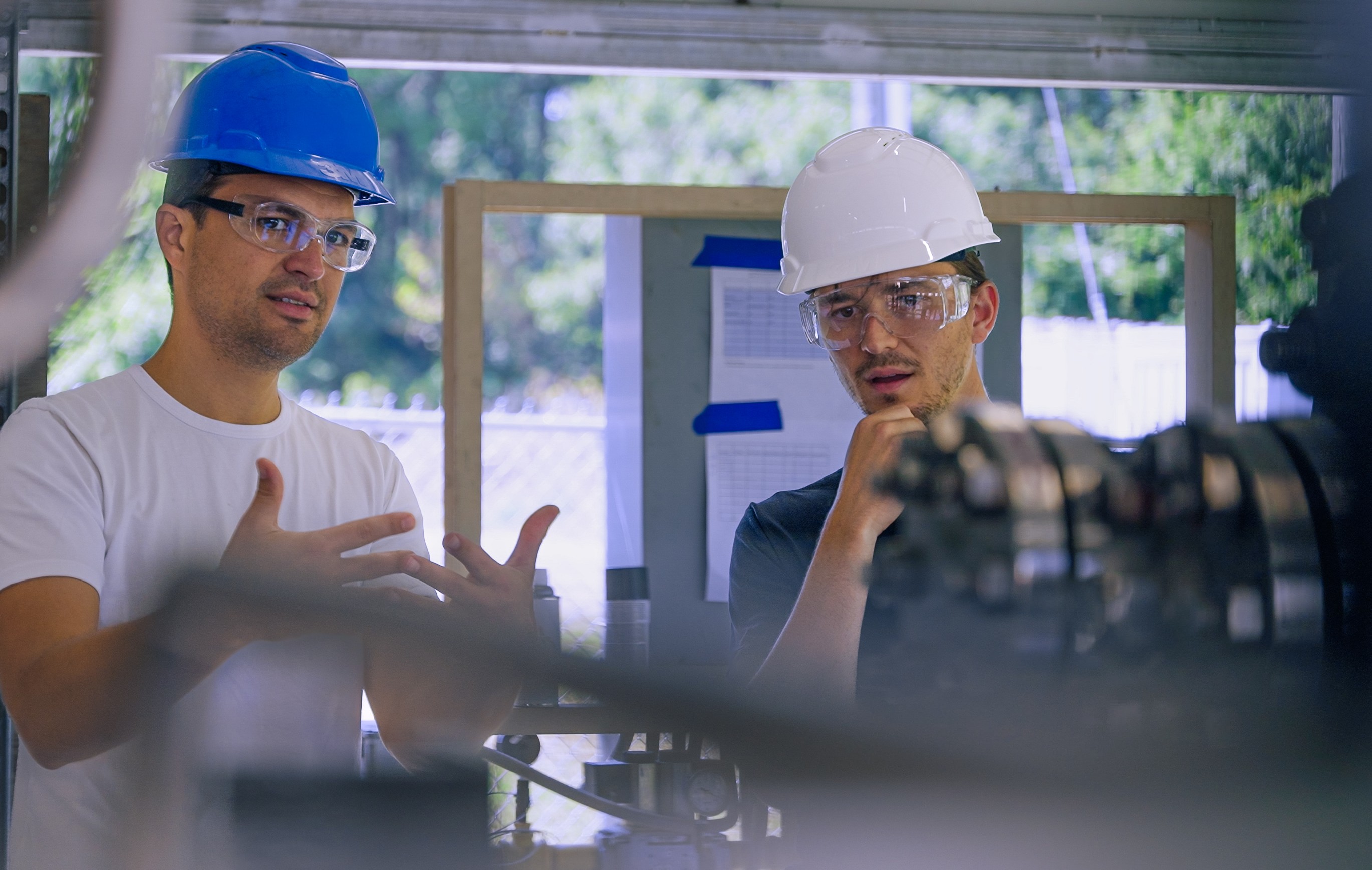

Amy Hebert, CEO of Arcadia e-Fuels, brings over 25 years of global industry experience, including 12 years in executive leadership roles across refining, chemicals and polymers. Today, she is working to commercialise e-SAF at scale. Arcadia’s proposition is, on paper, what many would call a ‘no-brainer’. They want to create net-zero fuels that work seamlessly in existing engines, pipelines and supply chains. The company is developing a handful of large-scale plants, each designed to produce 100 million litres annually, with sites already underway in Denmark, the UK and the US. Crucially, their process avoids fossil inputs altogether, marrying a range of proven technologies.
“The really obvious good news is that the planes don’t have to change,” Hebert explains. “We don’t need new engines or infrastructure. That’s what makes e-SAF so powerful – it can drop straight into the system we already have.” Her outlook is grounded in the practicalities of building supply chains and proving that the technology can move beyond pilot projects. “The challenge is not whether it works,” she adds, “but how quickly we can produce enough to meet demand and reduce the overall cost.”

Meanwhile, Joe Rodden, the millennial co-founder of Lydian Labs, represents the next generation of innovators. Having co-founded the Cambridge, Massachusetts-based company in 2021, Rodden saw the potential of cheap renewable electricity to unlock something extraordinary: liquid fuel made from nothing more than CO₂, water and energy. “You can make fuel anywhere in the world from CO₂ and water,” he says. “That’s remarkably exciting for transport, security, defence – even space exploration. This kind of technology changes the way the world can think about energy altogether.”
Lydian Labs has already moved at remarkable speed, producing its first fuel product and commissioning a pilot demonstration. Its approach relies on novel catalysts and reactor designs that simplify production and cut costs, with lifecycle emissions reductions of up to 95% compared to fossil jet fuel. Rodden’s conviction is that in the near future, e-SAF could not just compete with, but undercut conventional SAF on cost. “What the sector needs most right now is proof – plants running, fuel flowing and a glimpse of what the future looks like. Once people see that, they’ll get behind it.”
He is unflinching about the role aviation must play. While 2–3% of global emissions might seem marginal compared to other industries, Rodden is a strong advocate for continual innovation. “You can find lots of 2% problems,” he says. “They all add up to 100%. Everyone has to pull their weight if we’re going to solve this global issue.”
Both Hebert and Rodden are clear-eyed about the hurdles ahead. Building supply chains at scale demands not only technology, but also capital, policy incentives and public understanding. Hebert stresses that government mandates and subsidies are critical in the near term. “Let’s not forget that the fossil fuel industry has long benefitted from enormous subsidies and grants,” she says. “What we really need is a policy framework that creates certainty, so producers can build plants and investors have confidence. Otherwise, we risk missing the bigger picture and the hidden costs of clinging to fossil fuels.”
Rodden echoes the need for incentives but cautions against long-term dependency. “Our goal is cost-competitive e-SAF without asking governments, airlines or consumers to pay more.” Geography will also shape the future of the sector. Europe is driving forward with mandates, and regions such as the Middle East are leaning on abundant renewable resources. Denmark, a rare example of a nation that produces more energy than it consumes, has become prime ground for e-SAF plants.
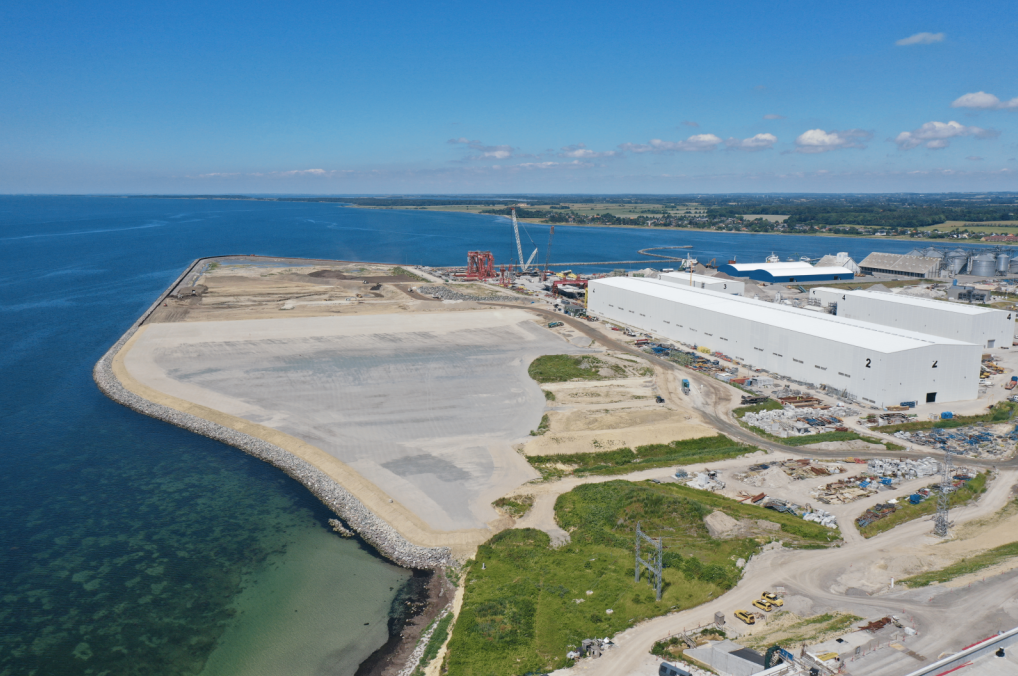
Arcadia e-Fuel's plant in Vordingborg, Denmark
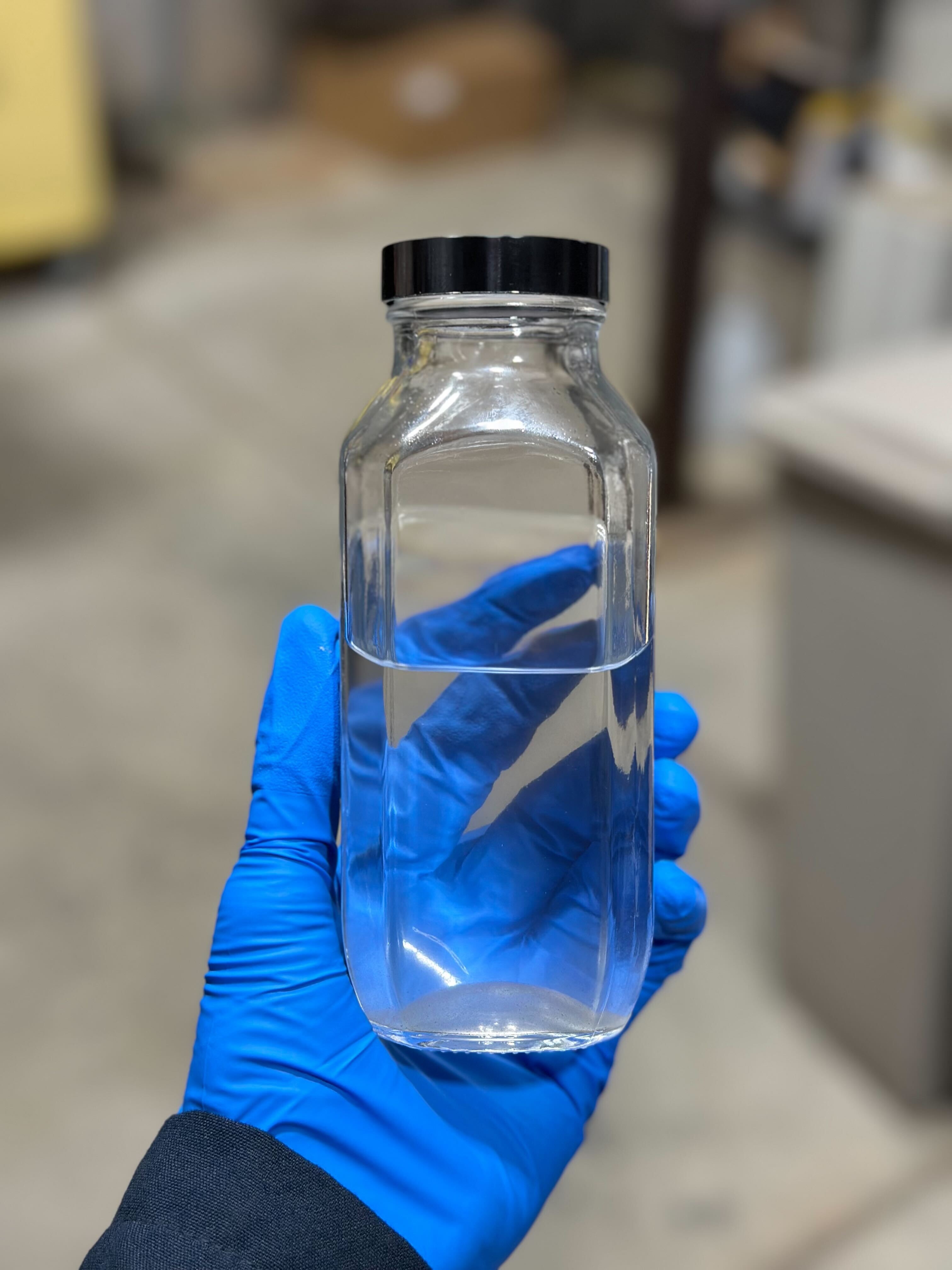
Lydian Lab's e-SAF
Yet beneath the technical debate lies a deeper moral tension. Should we simply be flying less? Both Hebert and Rodden are united in rejecting that idea. Aviation remains fundamental to global connectivity and economic exchange, they argue, and limiting it is neither realistic nor desirable. “Flying on an aircraft shouldn’t have to come with guilt,” Rodden says. “Our aim is to make sure people can keep flying safely, affordably – and ideally without destroying the environment.”
Hebert agrees, adding that true success will come when e-SAF becomes so embedded in the system that it no longer warrants discussion. “By 2035, I hope SAF will be unremarkable,” she says. “It’s just fuel.”
Their shared vision is simple – a world where passengers continue to board flights without a second thought to what powers them. Neither claims that e-SAF is a silver bullet, but both are emphatic about the need to act now with the tools at hand. For them, the future of aviation will be defined not by aspiration and bureaucracy, but by action, scale and results.
For more information contact: info@flyvictor.com