The Frontline of Paradise
From the pages of The Victor Magazine.
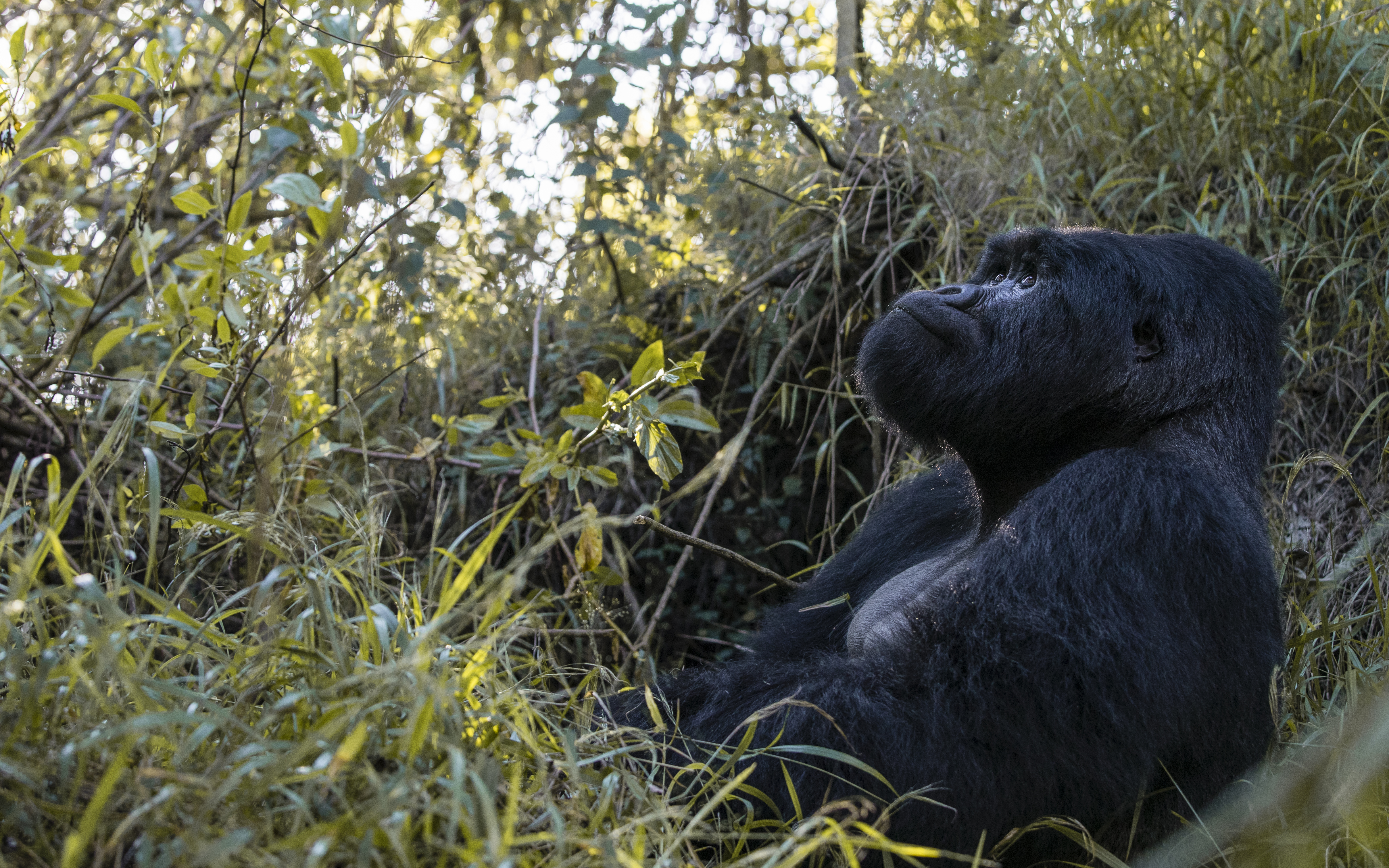
In 1980, fewer than 250 mountain gorillas remained in the wild. Through the tireless efforts of conservationists - and the support of a responsible tourism industry - that number has since quadrupled. We travelled to East Africa with Volcanoes Safaris to explore how they’re redefining eco-luxury travel while delivering a tangible impact on conservation.
The journey to the Virunga Forest, home to one-third of the world’s mountain gorilla population, begins on a small farm on the lush slopes of Mount Nyiragongo, an active volcano. We are told the trek could last anywhere from two to eight hours, with no guarantee of a sighting. After all, these gorillas are among the rarest creatures on earth – scarcer than giant pandas, snow leopards and white rhinos.
However, from a conservationist’s perspective, the mountain gorilla stands as one of the great success stories of our time. In the early ’80s, just 248 remained. Their existence was on the precipice of vanishing within three generations, which placed them firmly in the ‘critically endangered’ category. Dian Fossey, the famed primatologist who dedicated her life to studying these animals, predicted they would be gone by 2000. Since her death in 1984, the population has more than quadrupled.
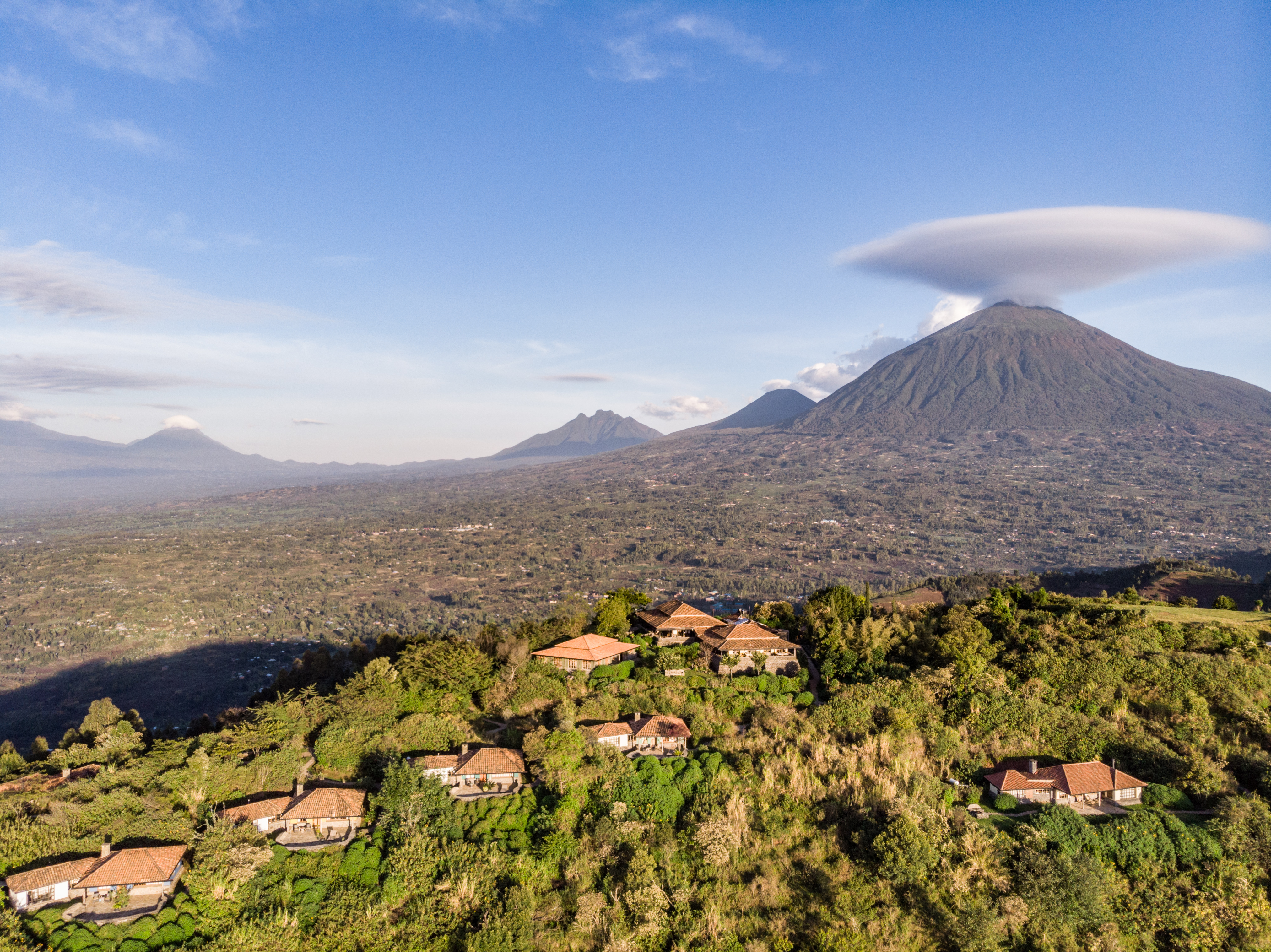
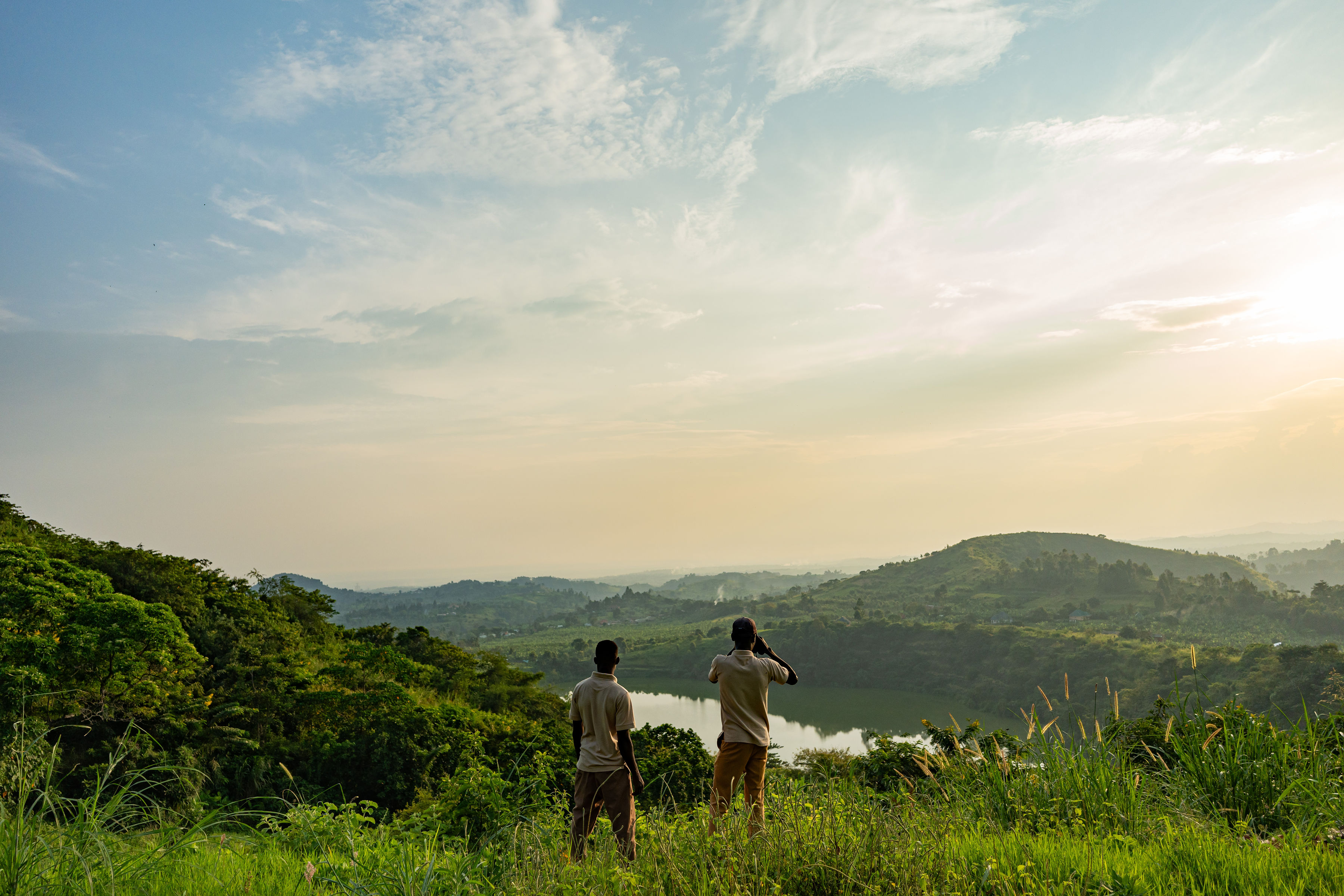
A recent census put the number at 1,063. They remain endangered, still vulnerable to disease, snares and the steady creep of farmland through which we are walking. But their story bucks the grim trend of biodiversity loss, thanks in large part to funding from the luxury tourism industry, which generates nearly $1 billion every year and 386,000 jobs in Rwanda alone. Volcanoes SafarisVolcanoes Safaris, the company hosting me, has spent decades developing what its founder, Praveen Moman, calls “sensitive tourism”: a model that blends eco-luxury with tangible conservation impact. I’ve been invited to stay at their Virunga Lodge in Rwanda and their new Kibale Lodge in Uganda.
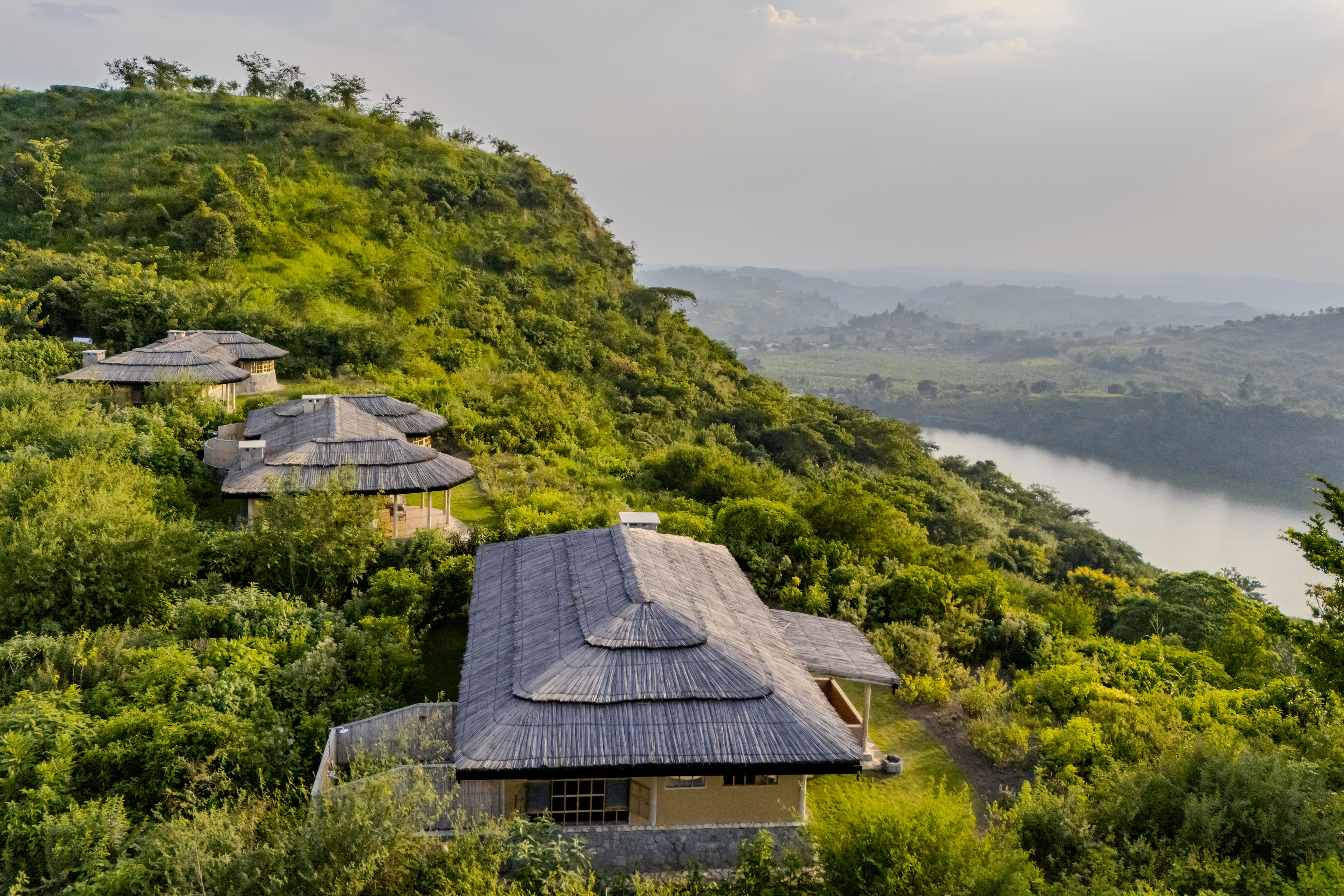
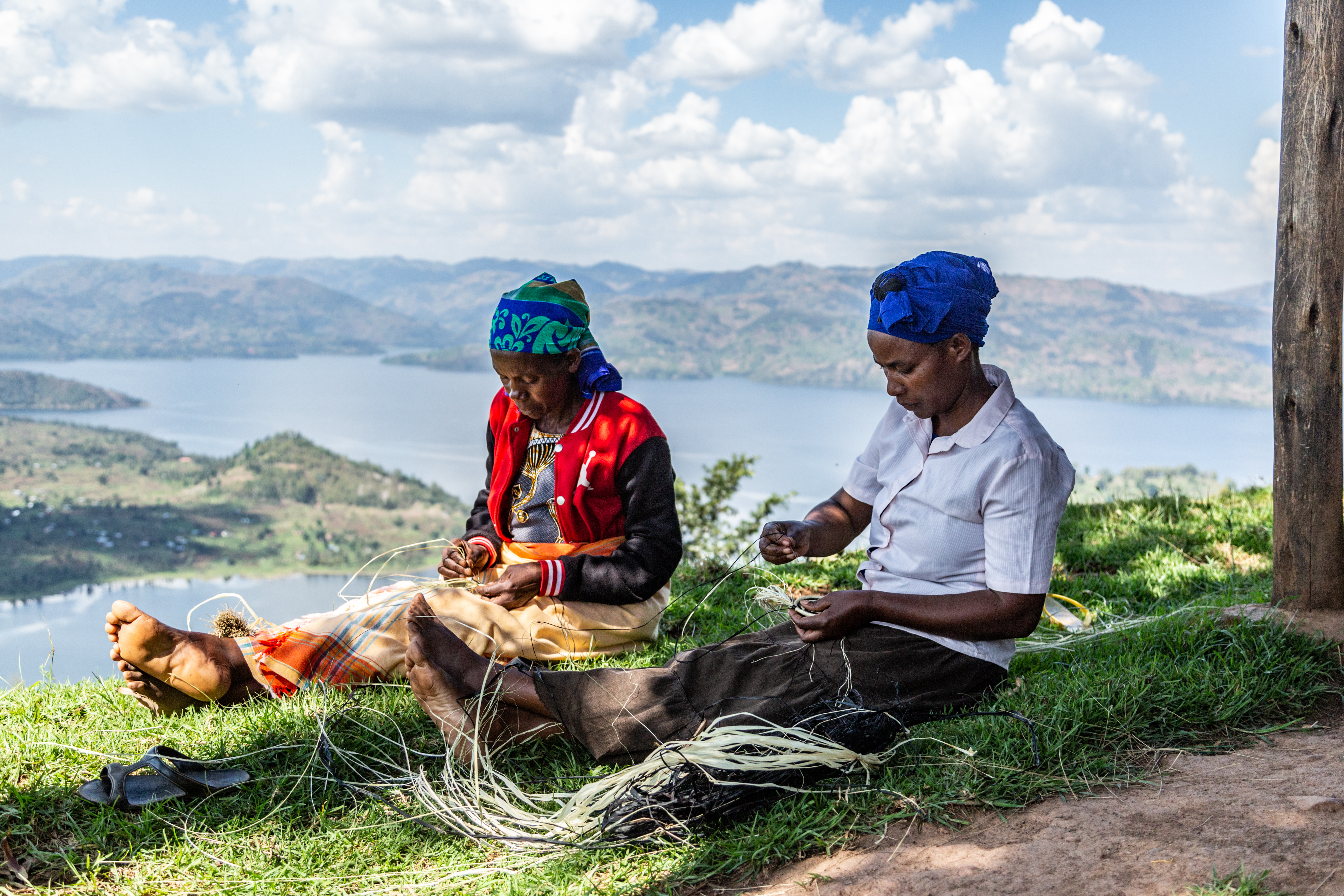
From the moment I arrived, it was clear what sets them apart from larger international chains present in the region. Every measure of the operation is designed with local impact in mind. Though the lodges are heavily protected, my driver explains that little security is actually needed: “The locals all understand the benefit we bring – all the employment, the opportunities, the financial impact. It’s great for the community.” The entire resort, including all the furniture, has been built by the local community.
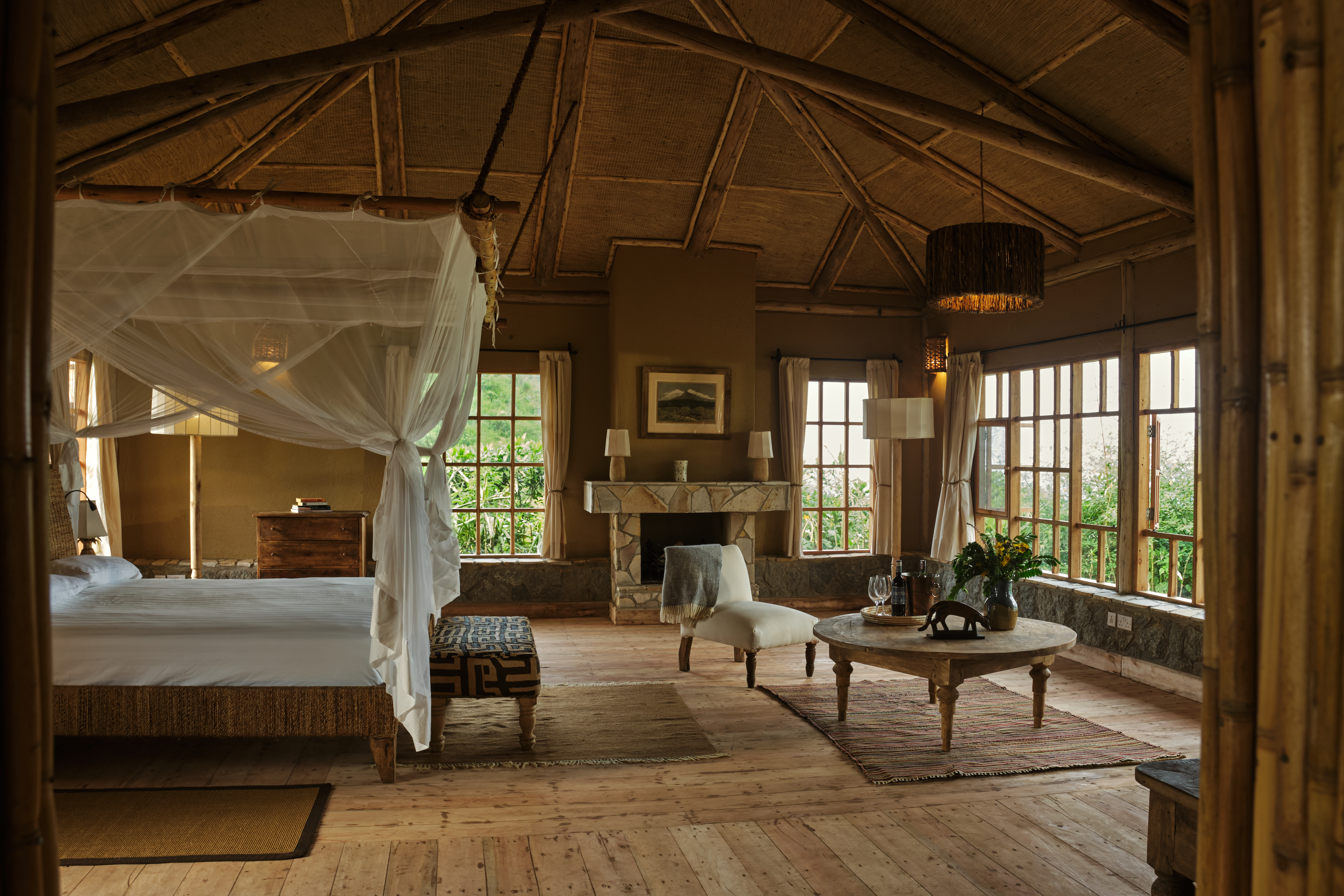
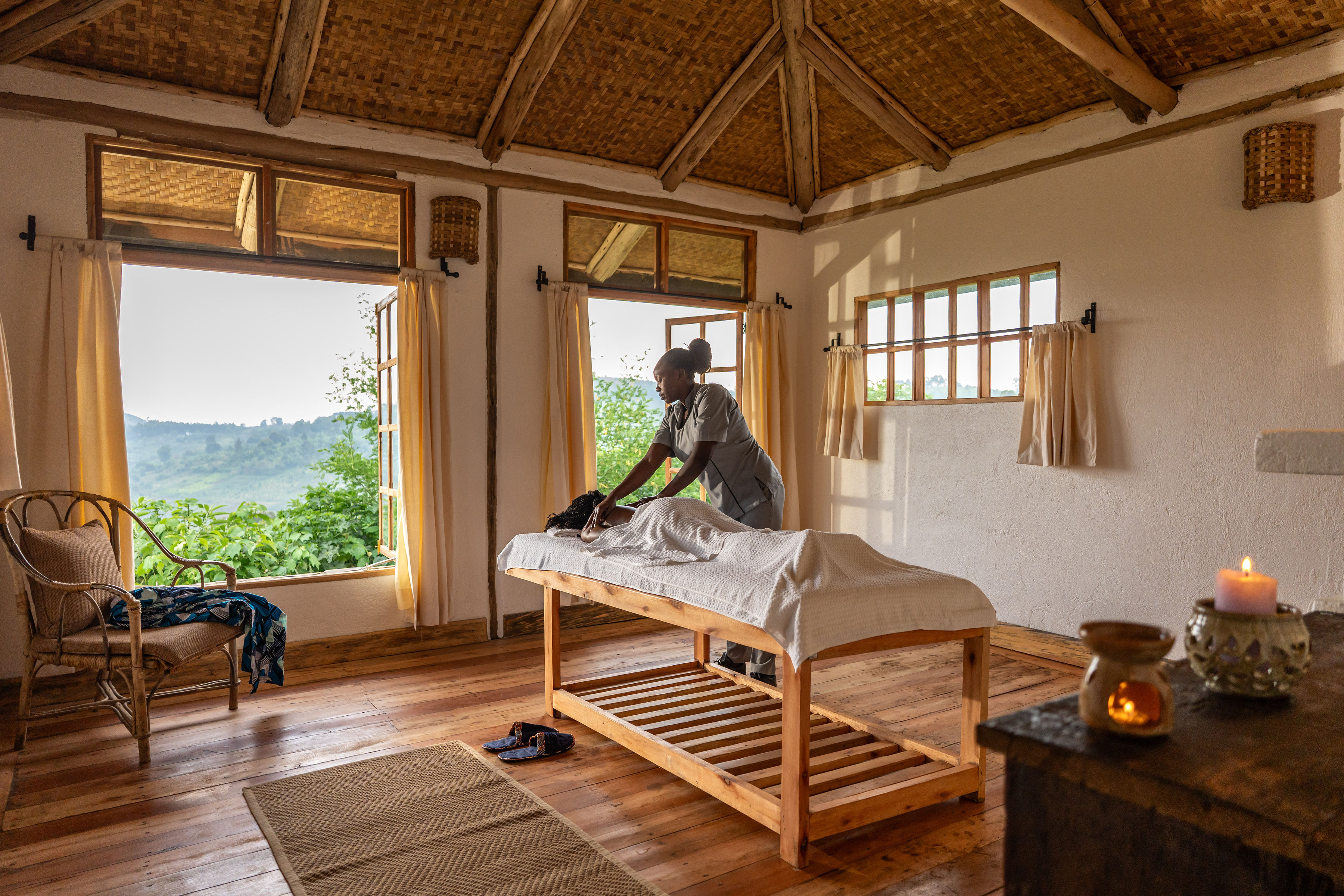
They also maintain a plethora of projects, from solar panels and water tanks to microfinance schemes. The resort is positioned for arrival by helicopter, offering complete discretion, private lodges, daily massages and outdoor showers under the stars. On arrival, you’re handed a smartphone, which is your direct line to your private butler at any hour. A small critter in the room? Gone in minutes. A late-night craving for ice cream? At your door in under five. They even keep tabs on your hiking boots, ensuring they survive the trek unscathed. Mine returned to London looking newer than when I left (something my partner was all too quick to point out).
The butler service extends to your morning wake-up, but don’t expect a phone call. On my first morning, mid-toothbrush, I heard faint music drifting towards me. I pulled on some clothes, drew the curtains, and there was Peter, my butler, performing a traditional folk song in full a cappella. The performance continued as he entered and poured my first coffee of the day, greeting me with a beaming smile.
Despite such commitment to making these small moments memorable, there is still a sense that this is just the build-up to seeing the animals, who are the true stars of the show, with the staff and conservationists acting as mere supporting cast. There are also constant reminders that your stay here is not just about glamour and luxury, but that it is a contribution to a much greater cause.
Before trekking to see the gorillas, I was invited to the Kibale Lodge in Uganda, where Volcanoes partners with the Jane Goodall Institute and the Albertine Apes Alliance. There I met Dr Emily Otali, Africa’s first female primatologist with a PhD, who co-directs the Kibale Snare Removal Project and runs the Kibale Forest Schools Program. Her work is as much about people as it is about wildlife, weaving conservation into daily life through education and community outreach.
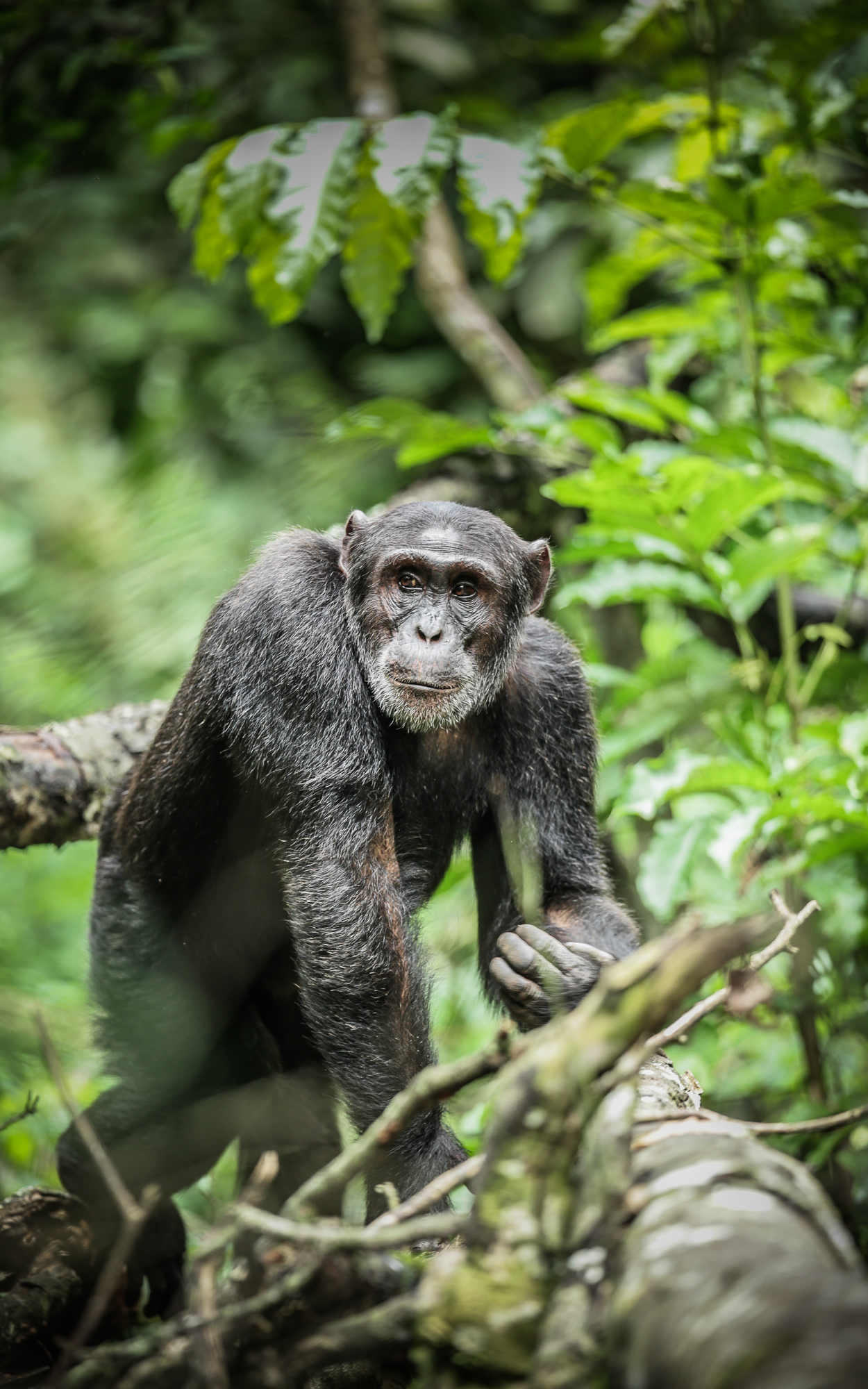
Her philosophy echoed what Dr Adrien Emile Ntwari of Gorilla Doctors shared one night by the fire in Rwanda. He recounted rescuing a baby gorilla whose wrist had been cut deeply by a metal snare. Without their intervention, it would almost certainly have died. Such rescues, carried out quietly beneath the forest canopy, are a side of the work most visitors never see, yet they are essential to every tourist encounter. Those words followed me the next morning as we hiked through farmland and tangled forest paths, the air heavy with mist and anticipation. So when we finally came across our first gorilla, perched on a stone wall at the edge of a farm, the moment landed like a shock.
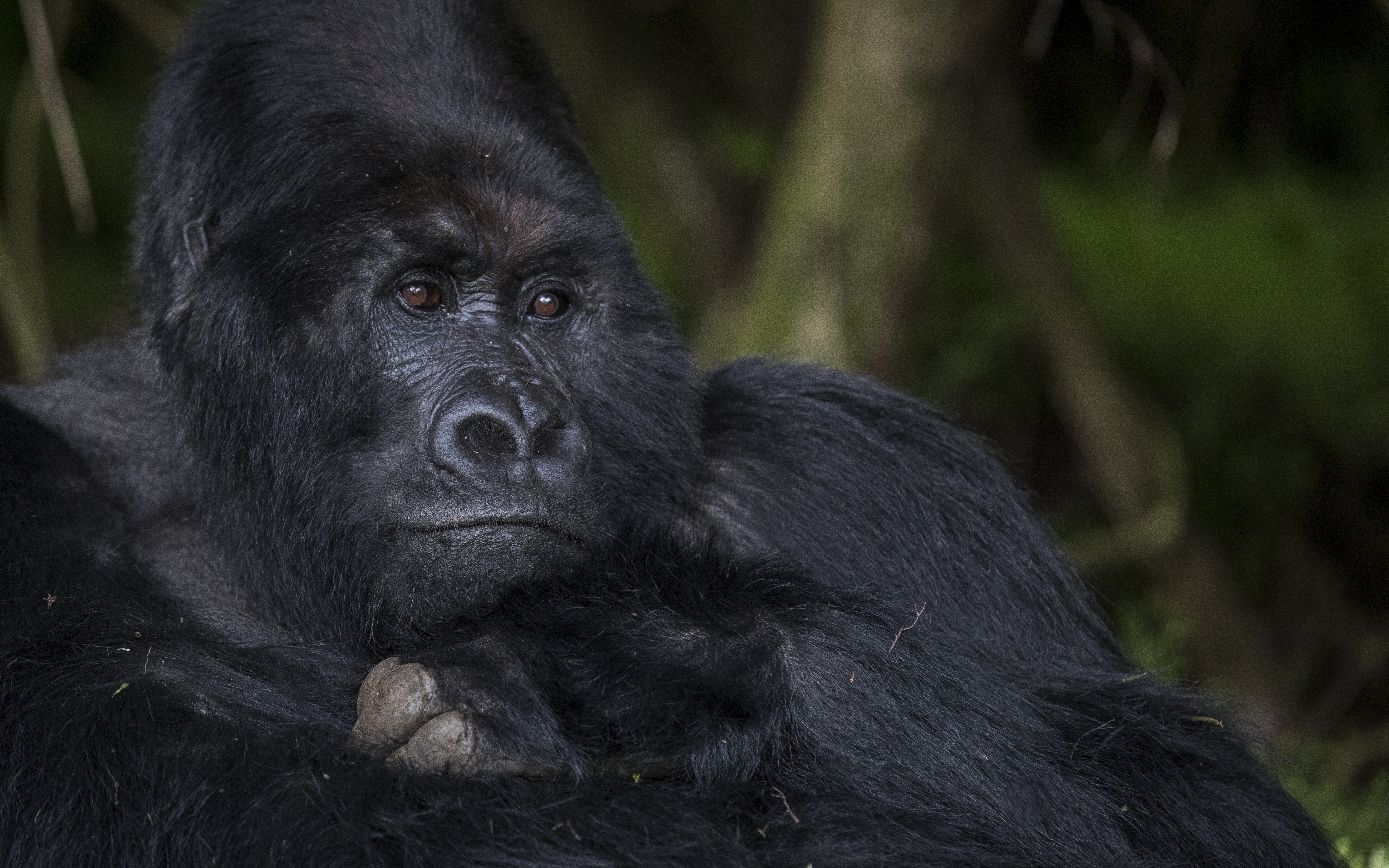
It doesn’t matter how many documentaries you’ve watched or zoos visited: nothing compares to standing face-to-face with these animals in their own territory. Without cages or barriers, the experience is visceral, unsettling and electrifying. Deep in the jungle, far from civilisation, your senses sharpen and adrenaline surges. In collective response to these sensations, the first reaction of our group was to lower our bodies, bow our heads and avert our gaze. The gorillas, meanwhile, remain at ease – unbothered, comfortable, almost indifferent to our presence.
This was our introduction to the Muhoza family, grazing casually on eucalyptus along the border fence. At the centre sat Marambo, the silverback, radiating serene authority. Mothers carried their infants, including one barely four months old, all spindly limbs and a comically oversized crown of hair. Juveniles tumbled from the undergrowth, springing and wrestling just feet from us, careless and joyous in a way only children can be. One photographer beside me clapped a hand over her mouth to stifle a squeal.
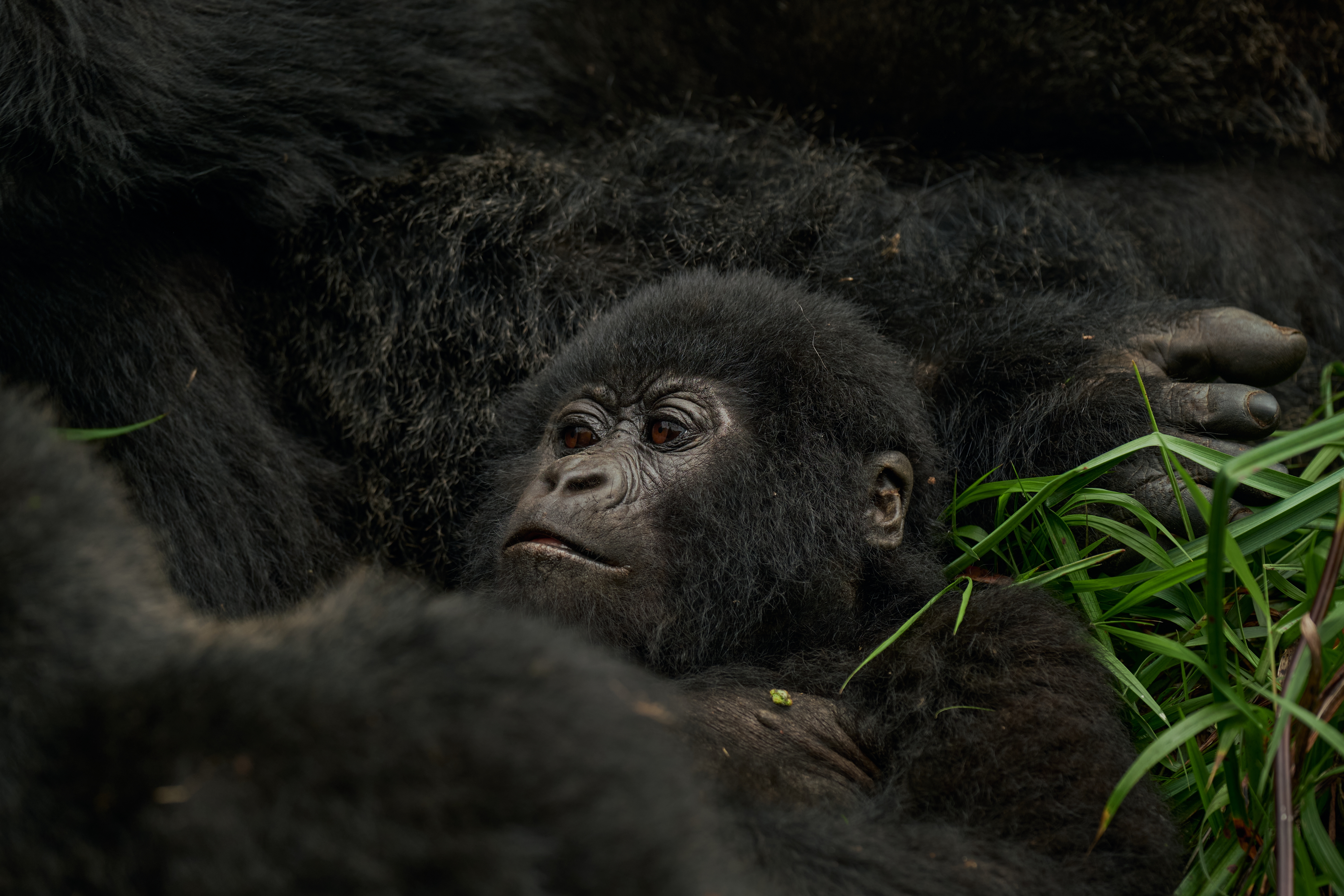
For half an hour, we stood transfixed, watching them roll, wrestle and chase. A young male arose theatrically on his back legs before collapsing, only to be pounced on by two smaller siblings. Another clambered clumsily up a low branch. In their bubble, they seemed untouchable, as though the outside world could never breach this clearing. And yet, knowing what I knew, that illusion carried heartbreak; how fragile they are, and how quickly carefree play can be interrupted.
In the end, what lingers is not only the memory of the gorillas themselves, but also the intricate web of people, projects and principles that make those encounters possible. Conservation here is not a glossy add-on to luxury tourism, designed to simply soothe the conscience. It is the foundation without which neither lodges, staff nor animals would survive. Every butler, porter, doctor and conservationist is part of the same fragile chain holding back extinction.
Watching the juveniles tumble together, it is tempting but naïve to believe their world is safe, that the worst has passed. The reality is far more delicate and conditional. These forests remain contested spaces where decades of progress could be undone in a fraction of the time. What sustains them is vigilance, investment and recognition that privilege carries responsibility. Paradise here is not a postcard idyll, but a barely living, breathing frontier. Precarious yet defiant, it is worth every single penny to protect.
Words by: Max Stott
For more information contact: info@flyvictor.com