From Cabin to Clubhouse: Three Private Jets for Golfers
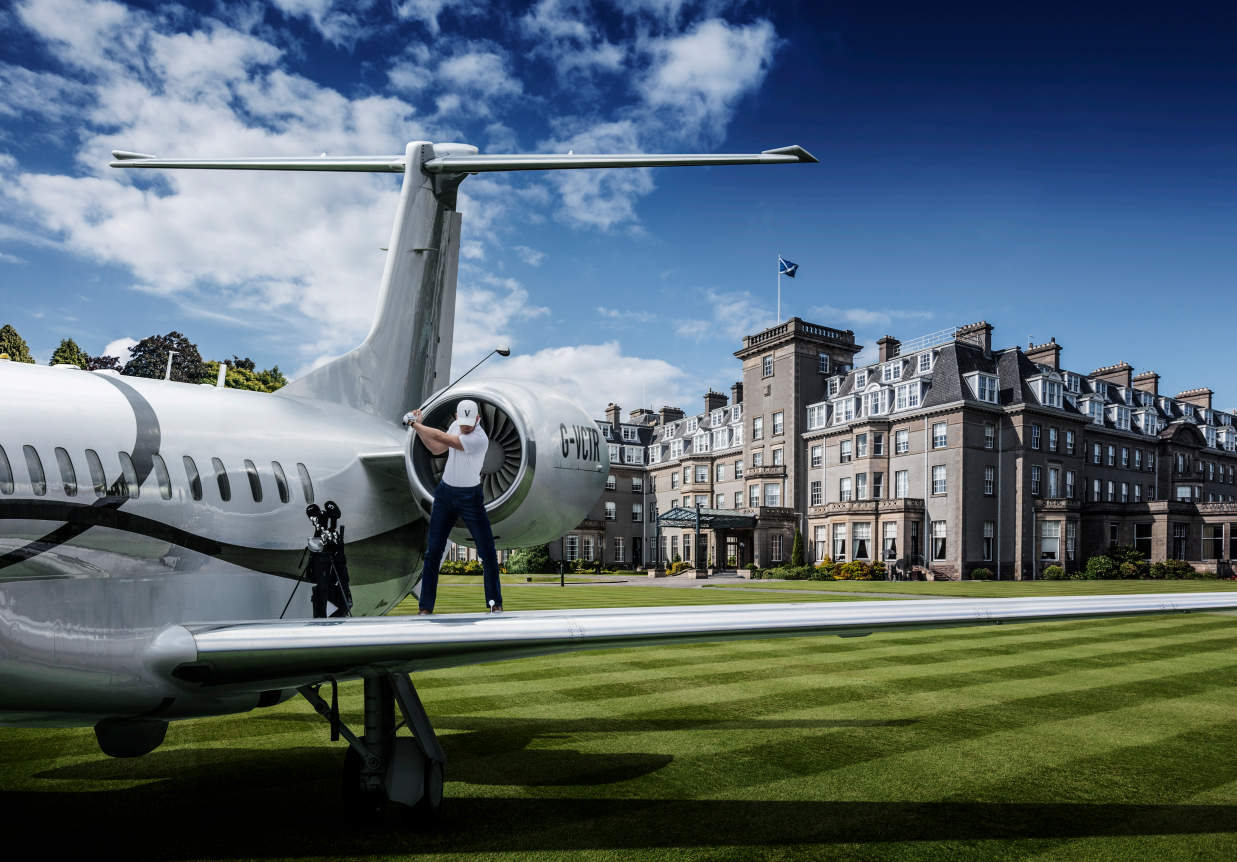
Victor's senior charter expert Zack Balcombe picks the aircraft best suited to three of the world's great golf trip itineraries.
Golf trips rarely hinge on the destination alone. Timing, access and logistics shape the experience just as much as the fairways themselves. Chartering a private aircraft does more than simplify the journey. In the right hands, it allows the entire trip to be planned with a level of precision and ease that commercial travel simply can't afford.
Zack Balcombe, Senior Sales Executive at Victor, draws on his background in the golf industry to help clients shape their itineraries around the right aircraft. “Golf travel has a lot of nuances to consider,” he explains. “Private aviation changes the rhythm of a golf trip. Less time in transit, more time on the course. With access to regional airports and minimal ground delays, you arrive closer, quicker, and in a more relaxed frame of mind - usually with enough extra time to fit in another round.”
What follows are three aircraft Balcombe consistently recommends, and the golf itineraries he would build around each one.
Pilatus PC-12
Capacity: 6–8 passengers | Range: approx. 1,800 nautical miles | USP: Range, versatility, and luggage capacity
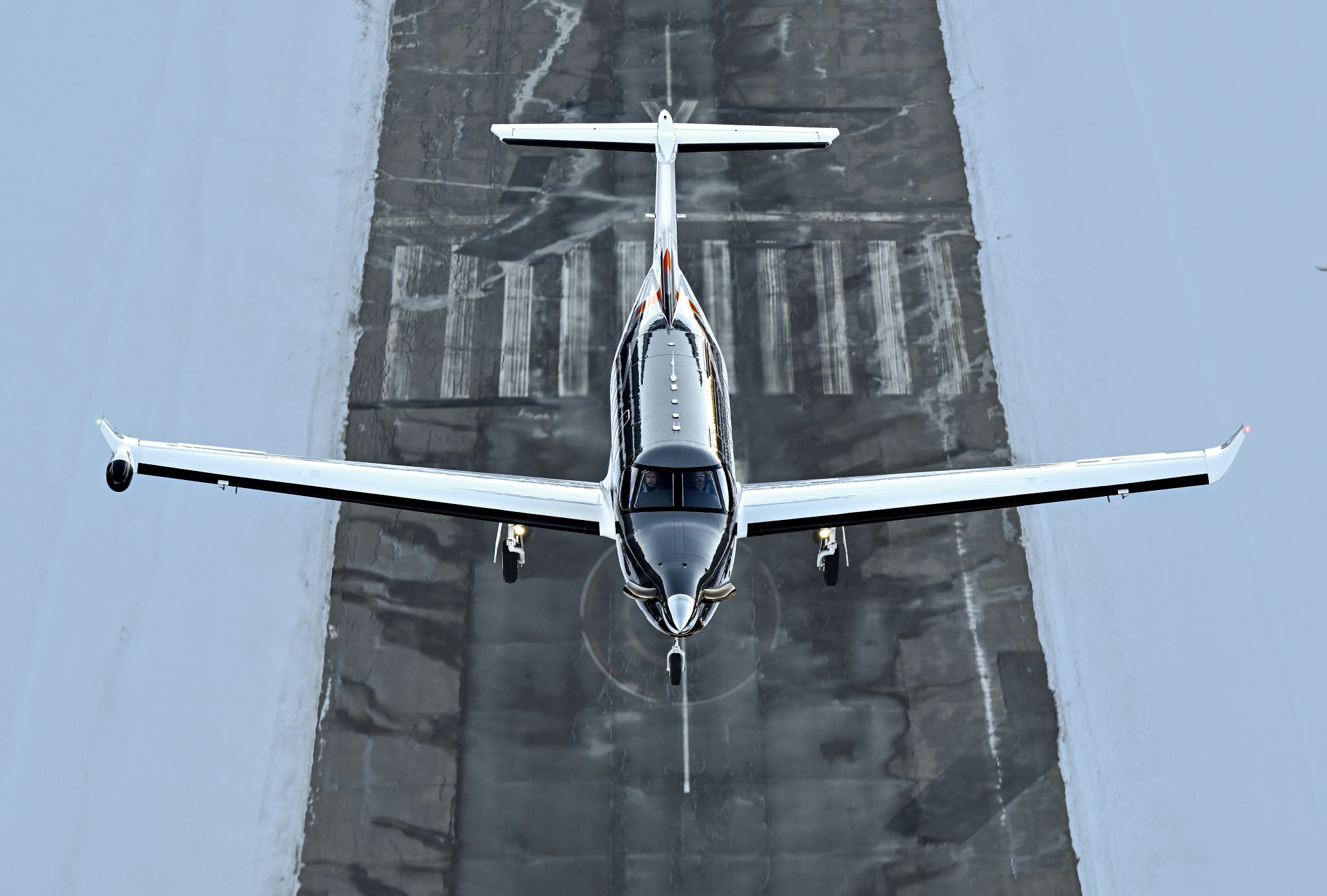
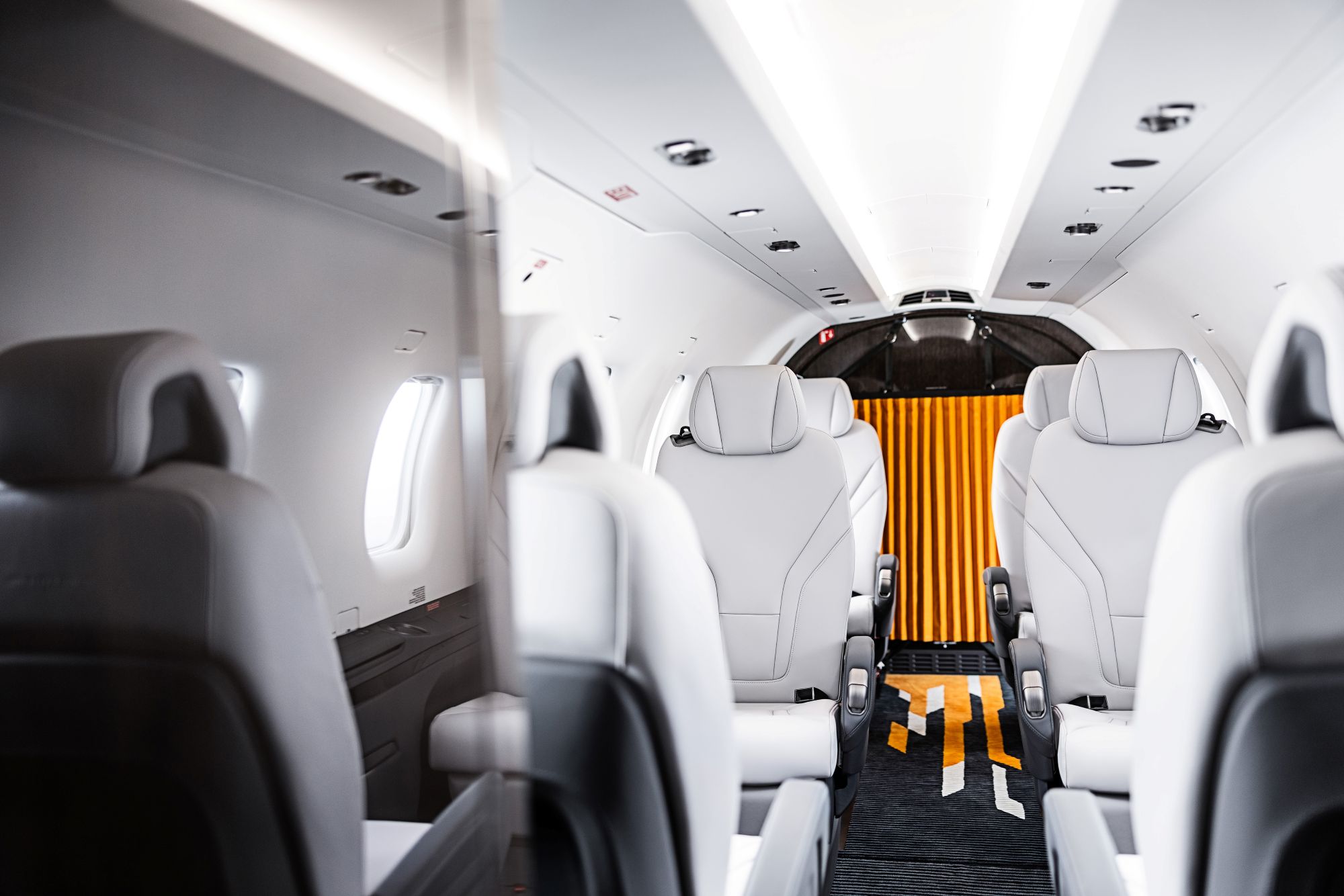
For groups heading to Scotland from within the UK, the Pilatus PC-12 is, in Balcombe's view, usually the most appropriate aircraft. A single-engine turboprop with a cabin comparable to a light jet, it combines surprisingly generous space with the ability to operate from a wide range of airfields - including London's smaller departure points such as Fairoaks and Blackbushe, which can make the start of a trip considerably more straightforward. You could spend the morning playing at Sunningdale and be teeing off in Scotland by mid-afternoon."
The PC-12 is known among operators for being a particularly reliable aircraft. Balcombe says, "It has a big, flat cargo door at the rear, which makes loading golf bags easy and dignified. It is modern - most UK charter examples are from 2017 onwards - and for a short hop to Edinburgh it is perfectly comfortable."

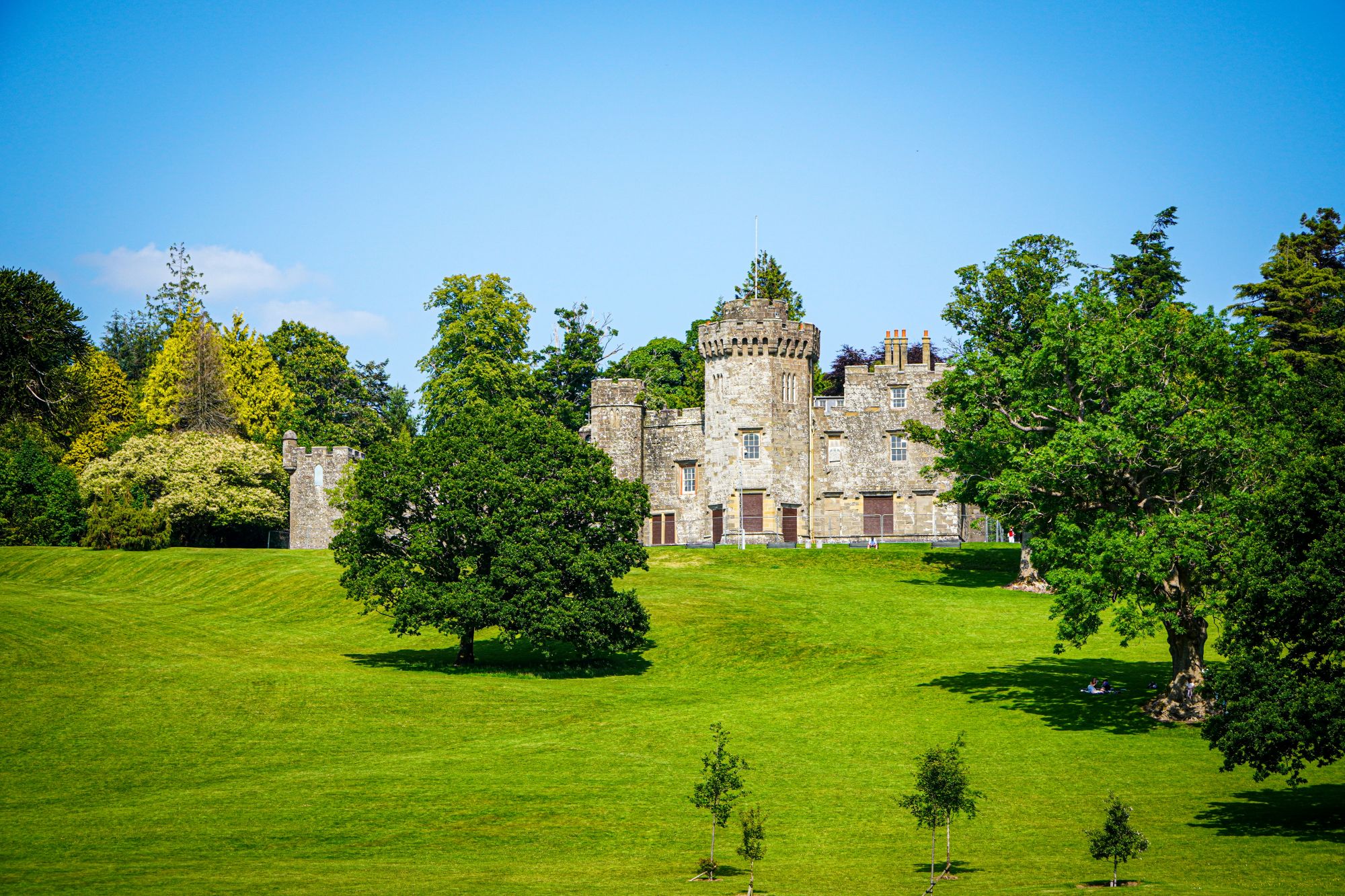
The itinerary Balcombe recommends around it begins in Edinburgh and moves east along the East Lothian coastline. The trip opens at Kilspindie, a short links course that challenges every calibre of golfer, with stunning views, it makes for the perfect warm up round. From there, Gullane, either the first or second course, depending on ambition, before the route turns towards North Berwick, one of the top 100 golf courses in the world and a masterclass in natural links design. The trip closes at Archerfield, where heathland and links combine in a setting that manages to feel both remote and refined.
Balcombe says, "The courses are world-class, they are close together, and the whole trip has a quality that a lot of better-known destinations struggle to match. The PC-12 makes it really effortless to get there."
Bombardier Challenger 3500
Capacity: up to 8 passengers | Range: approx. 3,400 nautical miles | USP: midsize comfort, reliability, cabin socialisation and onboard service
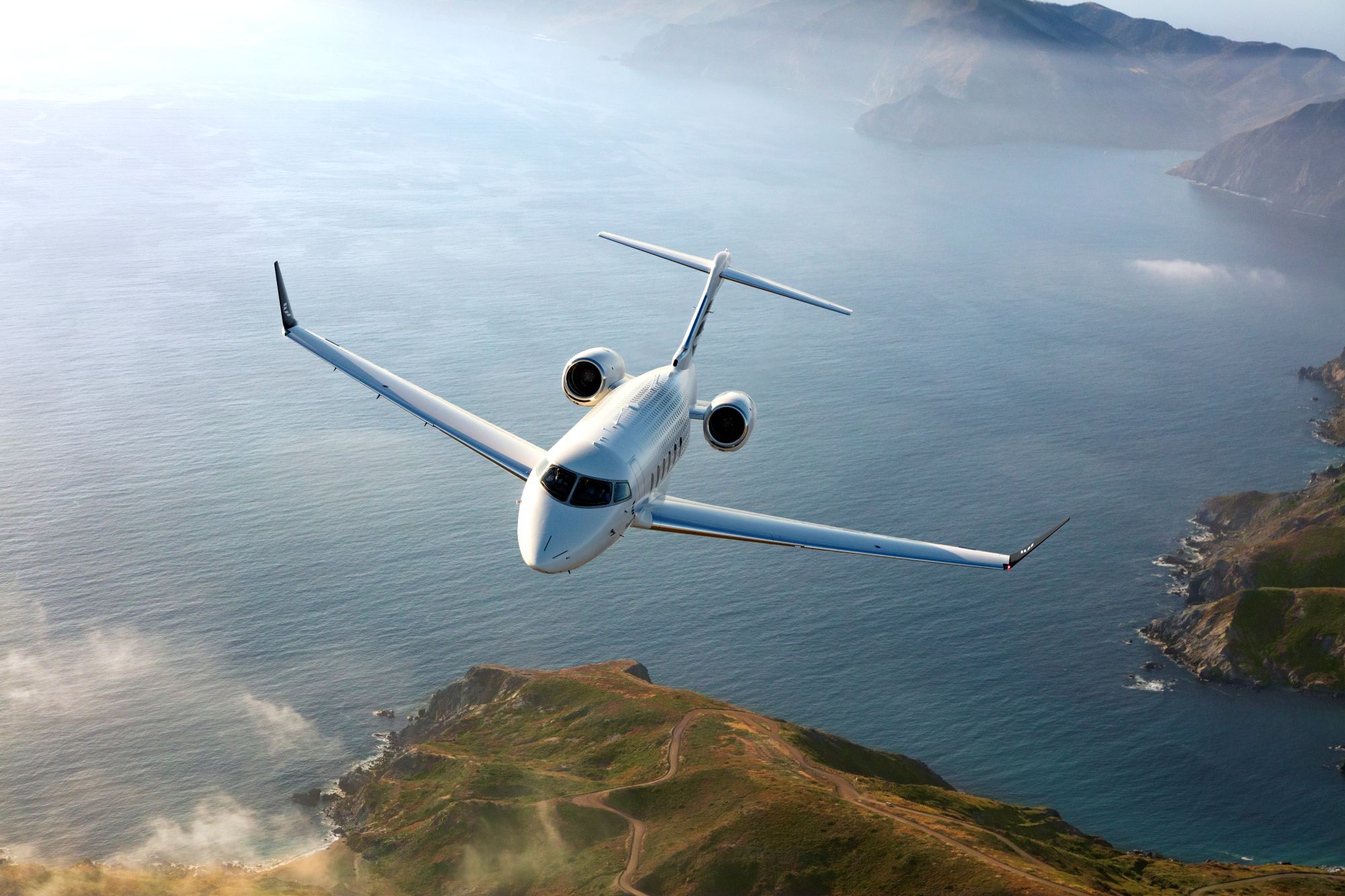
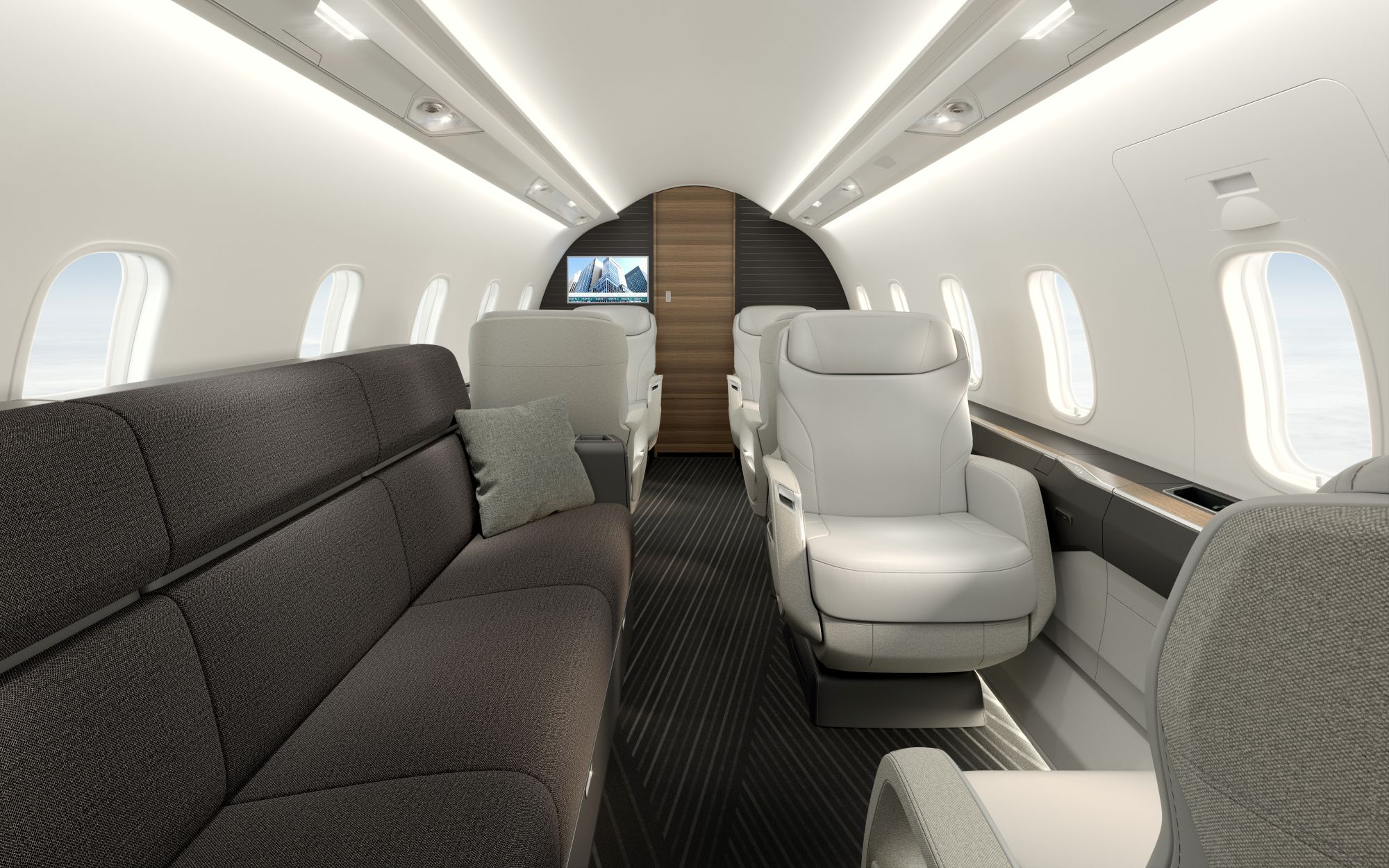
For a trip to southern Spain, and the exceptional collection of courses clustered around Sotogrande, Balcombe reaches for the Challenger 3500. The newest version of the long-established Challenger 350, it brings upgraded avionics alongside a cabin that is well configured for groups of eight: typically arranged in a double club-four layout that keeps a travelling party together rather than splitting them into rows.
"The Challenger 3500 is a brilliant aircraft for a golf trip with friends," Balcombe explains. "You can enjoy a sociable seating configuration, it has a very generous hold for luggage, and you will also have a flight attendant onboard with tailored hot catering."

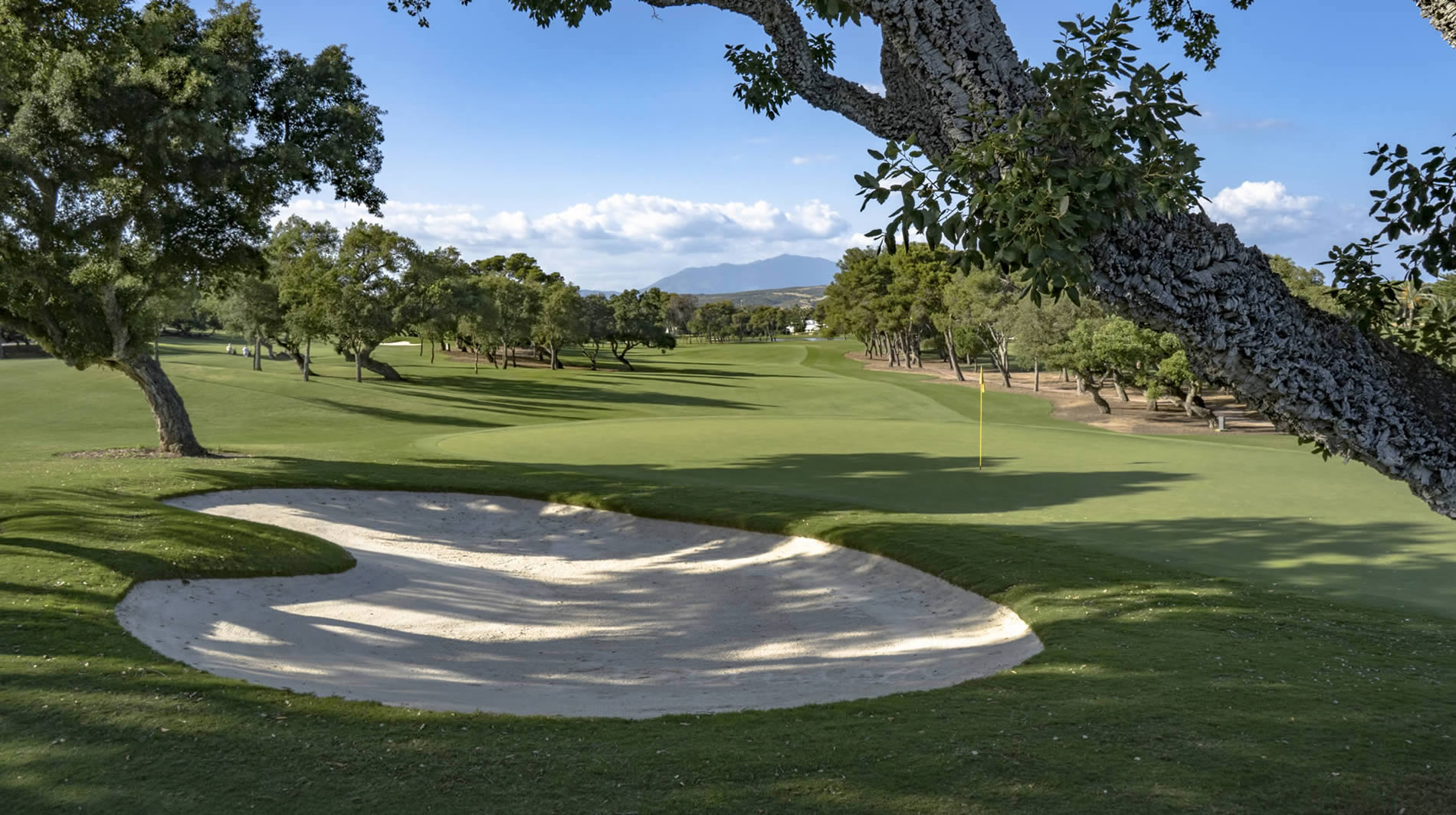
The itinerary builds from Málaga towards the coast. The trip opens at La Hacienda Links, a course that earns its name - genuine links-style terrain in an Andalusian setting - before moving on to Real Club de Golf Sotogrande, ranked among the top ten courses in Europe and a consistent point of reference for anyone who takes the game seriously. The trip ends at Valderrama, venue for the 1997 Ryder Cup and, for many, the finest course on the continent. A course that has hosted the best players in the world and has lost nothing in the years since.
"Sotogrande and Valderrama together make for a brilliant golf weekend," Balcombe says. "It is less than 3 hours from London, the weather is reliable, the standard of course is extraordinary, and the Challenger 3500 makes it a really comfortable journey. Nothing complicated, nothing to manage. You just arrive and play."
Gulfstream G700
Capacity: up to 13 passengers, sleeps 8 | Range: approx. 7,500 nautical miles | USP: ultra-long-range, full cabin luxury and transatlantic capability
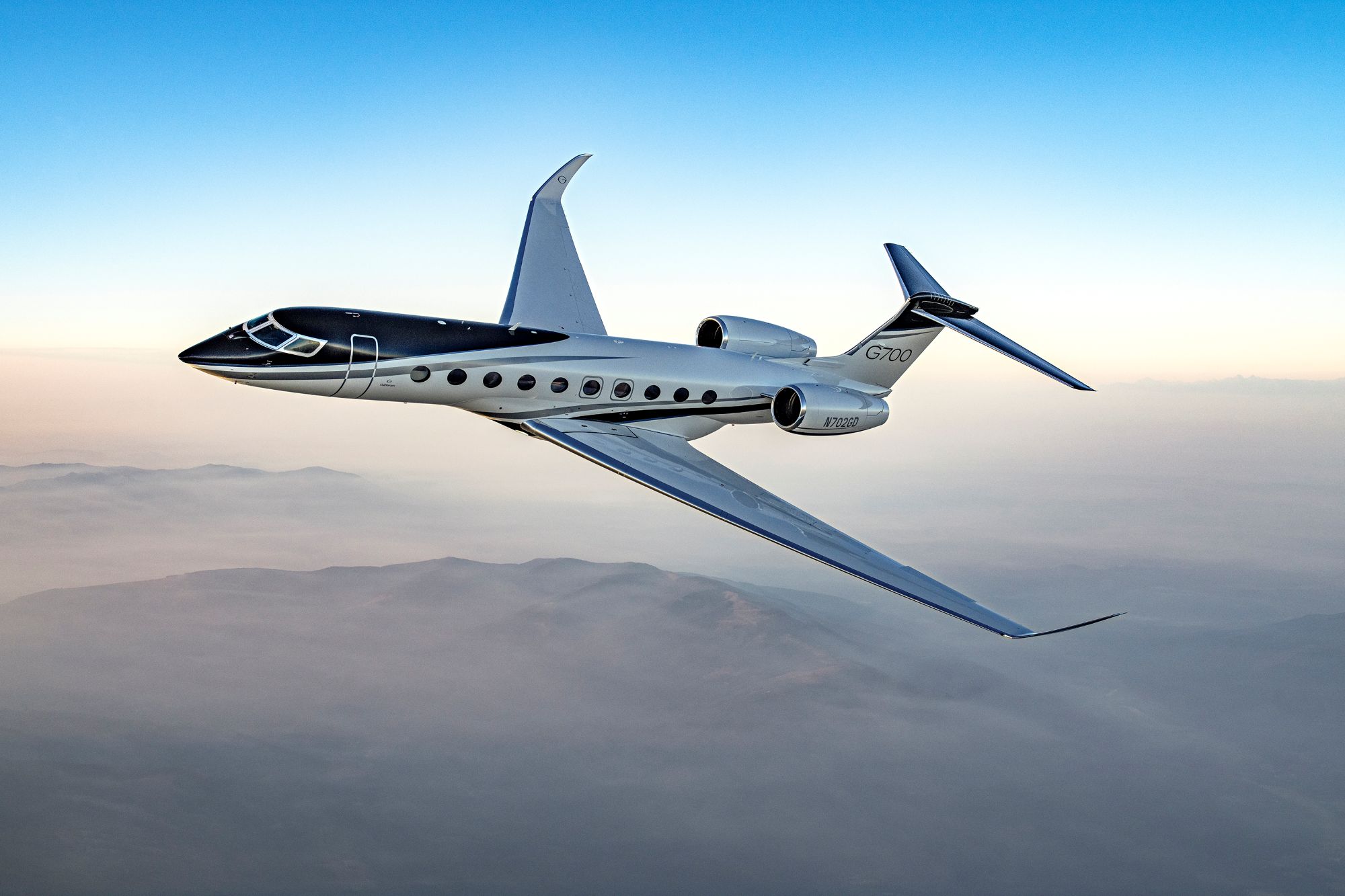
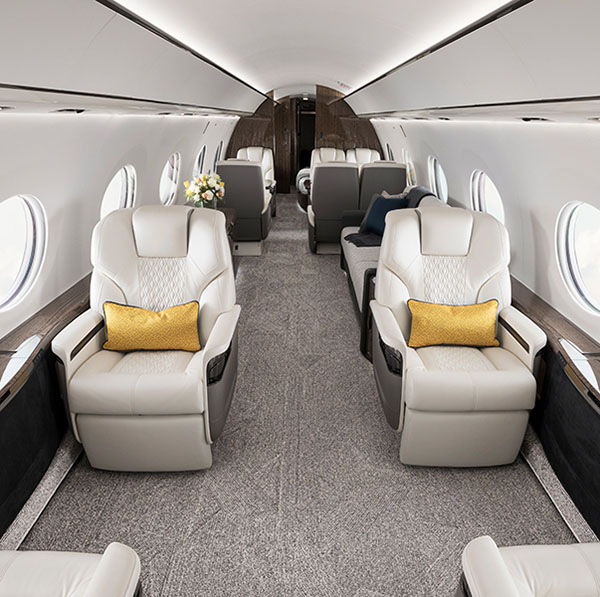
Some golf trips require a different order of ambition entirely. For the journey to Pebble Beach - and what Balcombe describes simply as the Holy Trinity - only an ultra-long-range aircraft makes sense.
"Cypress Point, Pebble Beach, Spyglass Hill," he says. "Three of the greatest golf courses ever built, within a stones throw of each other. If you are going to make the trip, you should make it properly."
The G700 is Gulfstream's flagship: a wide-body, long-range aircraft that handles transatlantic and transcontinental distances with a cabin environment that allows passengers to genuinely rest, work, or simply enjoy the journey. Seating up to thirteen, sleeping up to eight, it suits larger golf groups without the compromises that come with smaller aircraft on long sectors. The luggage capacity is substantial; the interior, in most configurations, is closer to a well-appointed private suite than a conventional aircraft cabin.
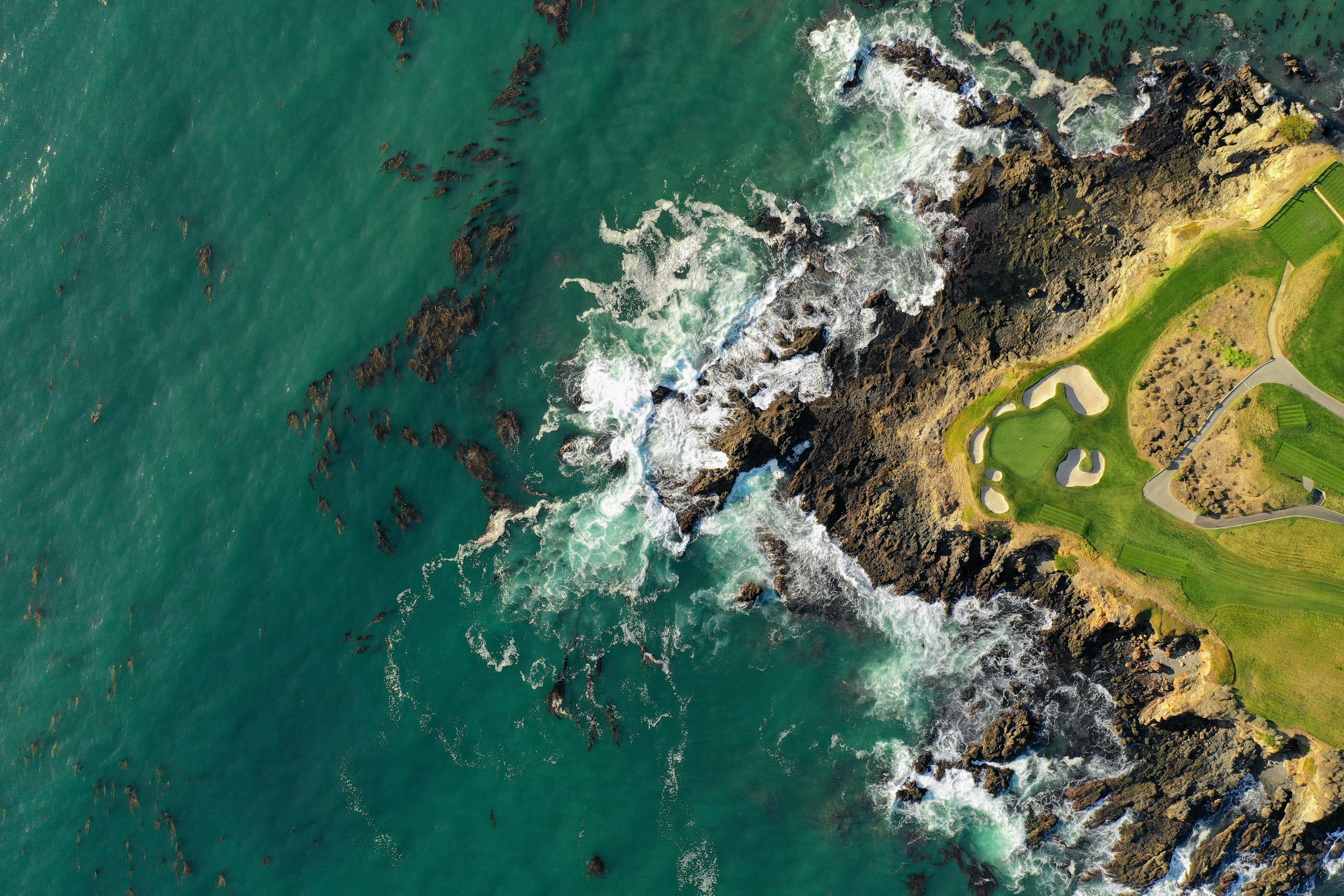
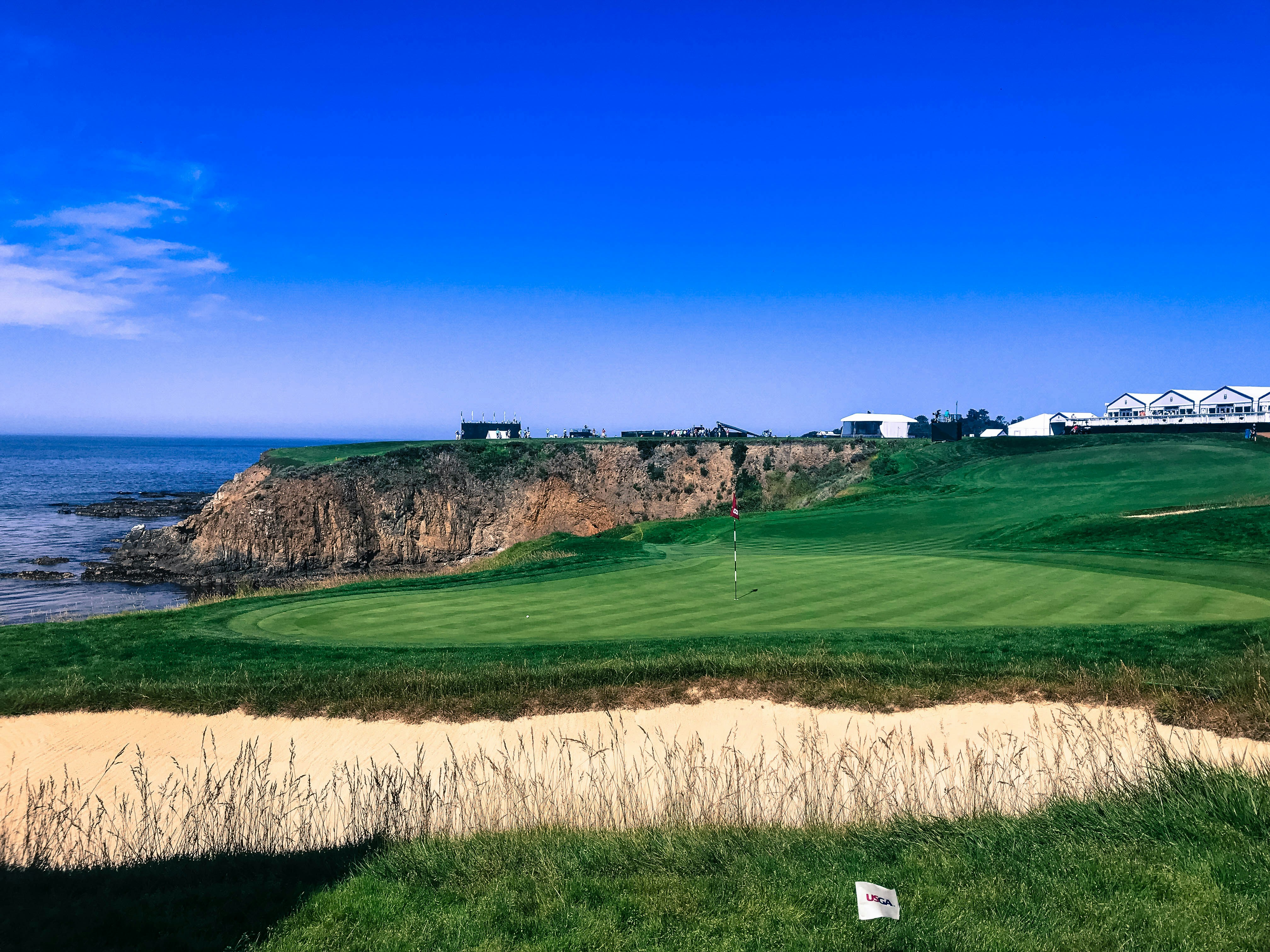
The itinerary arrives into San Jose, with Pebble Beach roughly an hour's drive south. The courses need little introduction. Cypress Point is one of the most admired layouts in the world - a rare combination of parkland, sand dunes and ocean cliffs. Pebble Beach itself is the most famous public course in America, a yearly host of the PGA and a course that looks almost exactly as you imagined it would. Spyglass Hill brings the sequence to a close through redwood and pine, longer and less exposed than its neighbours but in many ways the most technically demanding of the three.
"The G700 is the right aircraft for this trip because the trip deserves it," Balcombe says. "You are flying a long way to play three of the greatest courses in the world. The journey should reflect that."
Matching the Aircraft to the Itinerary
What connects all three recommendations, Balcombe explains, is the same principle that governs good golf travel more broadly: the aircraft is not chosen for its own sake, but for how well it serves the specific demands of the trip.
For more information contact: info@flyvictor.com